International Warehouse Storage Solutions in Turkey: Secure B2B Warehousing, Inventory Management and Global Distribution Services
International trade requires more than reliable manufacturers and competitive transportation rates. Businesses operating across multiple markets need storage infrastructure that protects inventory, maintains product availability, and supports efficient distribution. International warehouse storage solutions provide the operational foundation for managing goods between production, international transportation, and final delivery. For companies sourcing products from Turkey, professionally coordinated warehousing can reduce unnecessary shipments, improve stock visibility, and create greater flexibility in responding to changing customer requirements.
In addition to matching you with the right Turkey Manufacturers, we provide complete end-to-end support services. Our offerings include Product Sourcing, Logistics, Warehousing, Order Fulfilment, Quality Inspection, and Buying Services.
Turkey offers significant opportunities for international buyers seeking access to manufacturing facilities, established transportation networks, and regional distribution capabilities. However, successful warehousing involves more than renting storage space. Businesses must consider inventory accuracy, product handling requirements, customs procedures, shipment consolidation, and the relationship between warehouse operations and international freight planning. Choosing the right storage model can directly influence working capital, order fulfillment performance, and long-term supply chain reliability.
International Warehouse Storage Solutions in Turkey Secure B2B Warehousing, Inventory Management and Global Distribution Services
What Are International Warehouse Storage Solutions and How Do They Support Global B2B Trade?
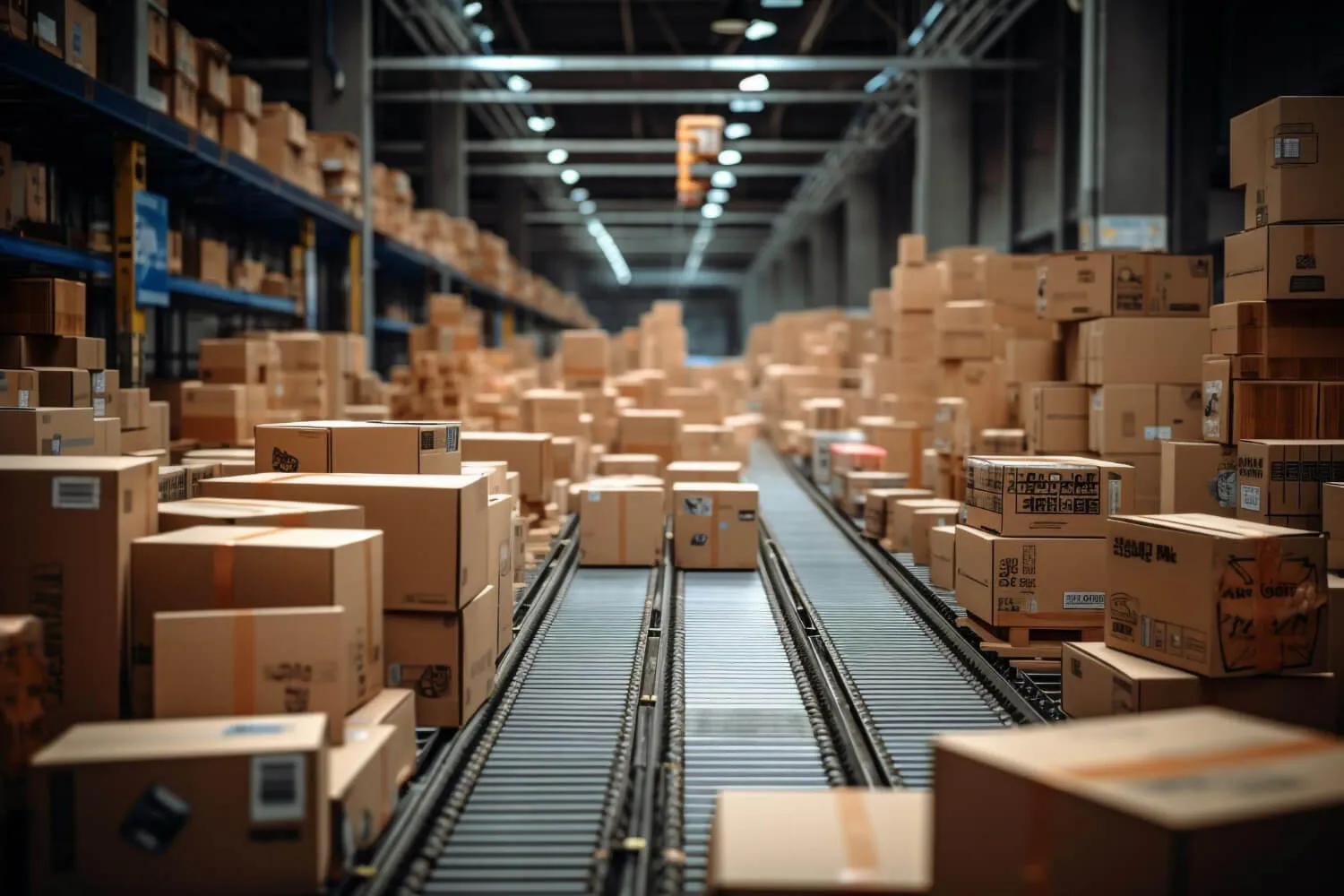
International warehouse storage solutions are coordinated storage and inventory-handling services designed for businesses moving products across national borders. Unlike conventional storage facilities, international warehousing operations must account for shipment documentation, varying product requirements, export schedules, and distribution arrangements. Depending on the provider’s capabilities, services may include receiving goods from manufacturers, checking quantities, organizing inventory, preparing outbound shipments, and coordinating collection by international freight carriers. These activities help businesses maintain control over products even when manufacturing, purchasing, and delivery take place in different countries.
In practice, one of the most common situations involves an international buyer purchasing products from several Turkish manufacturers with different production schedules. Without a centralized storage arrangement, each supplier may dispatch products independently, increasing transportation complexity and creating additional administrative work. Through international warehousing services, goods can be received at a coordinated storage location, organized according to customer orders, and prepared for consolidated transportation. For example, a European wholesale distributor sourcing packaging materials, textiles, and promotional merchandise from different factories may benefit from combining compatible shipments rather than managing several unrelated export movements.
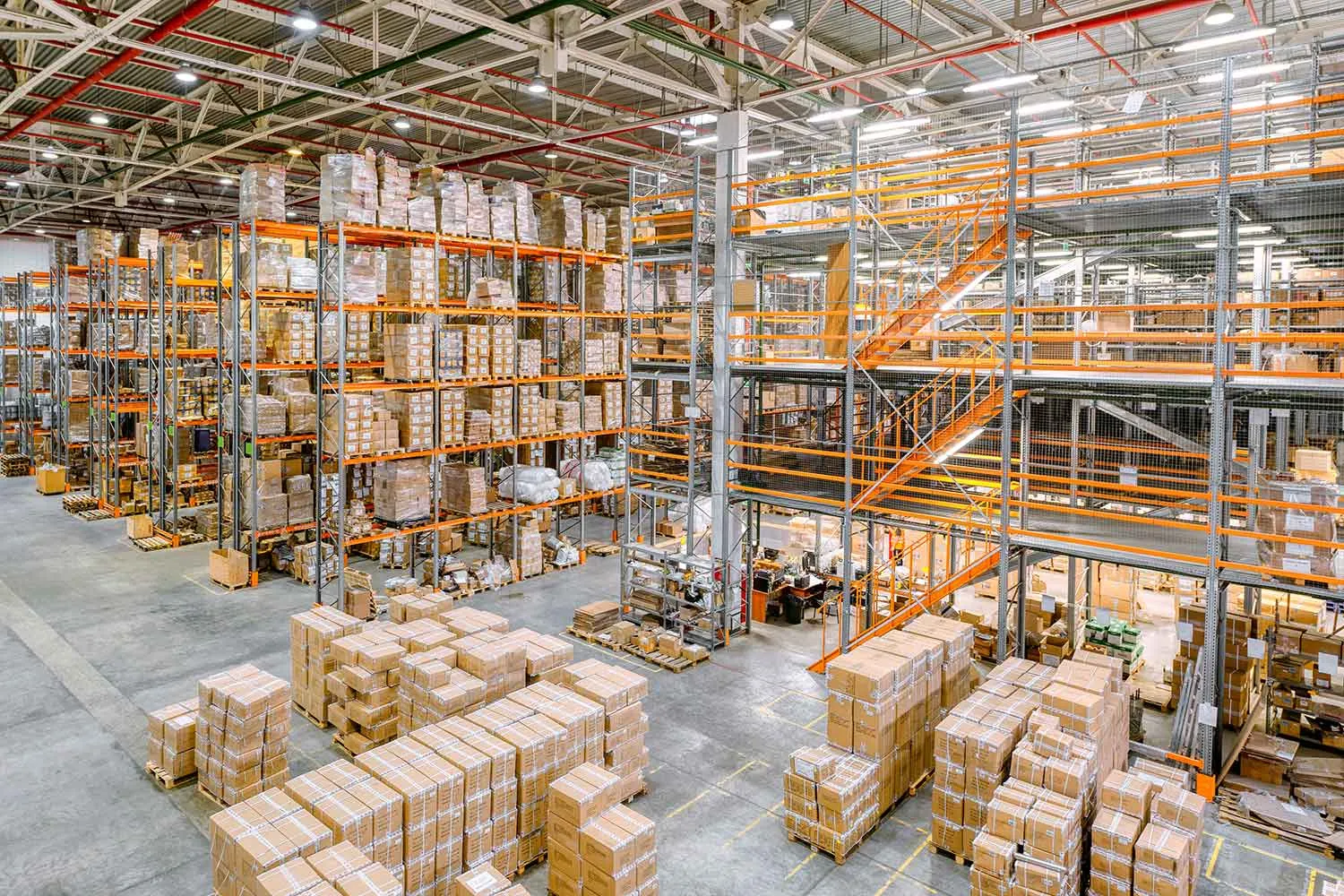
An important operational distinction is the difference between ordinary storage and distribution-oriented warehousing. Basic storage primarily provides physical space, while global warehouse storage solutions can support inventory identification, outbound preparation, shipment coordination, and stock reconciliation. Businesses with occasional purchases and predictable delivery schedules may only require temporary storage. Companies managing multiple suppliers, frequent replenishment, or several destination markets generally benefit from a more structured arrangement. The appropriate model depends on shipment frequency, product characteristics, and the level of inventory control required.
Why Is Turkey a Strategic Location for International Warehousing and Distribution Services?
Turkey’s geographic position between Europe and Asia, combined with its manufacturing base and access to international transportation corridors, makes it an important location for businesses organizing cross-border supply chains. Manufacturers operating in sectors such as textiles, machinery, furniture, packaging, automotive components, and promotional merchandise supply international markets through established commercial routes. For overseas buyers, B2B warehousing services in Turkey can provide an intermediate storage point where products are accumulated, organized, and prepared for export before entering their destination markets.
From an operational perspective, Turkey is particularly relevant when international companies purchase different products from multiple domestic suppliers. Consider a distributor importing customized corporate merchandise from Istanbul, textile products from Bursa, and industrial components from another manufacturing region. Instead of arranging separate international shipments immediately after each production batch, the buyer can organize domestic collections and consolidate suitable products at a warehouse. This approach may simplify shipment planning, particularly when supplier production dates differ. However, consolidation must account for cargo compatibility, packaging dimensions, loading requirements, and the agreed delivery deadlines.
Our experience with international sourcing requirements highlights an important consideration: geographic advantages only create value when supported by realistic logistics planning. Turkey is not automatically the lowest-cost storage location for every business. Companies serving customers primarily in North America or East Asia, for example, must compare Turkish storage and onward freight costs with warehousing closer to their destination markets. Turkish warehousing and logistics services are especially relevant when products originate in Turkey, when several suppliers need coordination, or when the country serves as a practical staging point within a broader international distribution strategy.
What Are the Benefits of Secure Warehouse Storage Solutions for International Businesses?
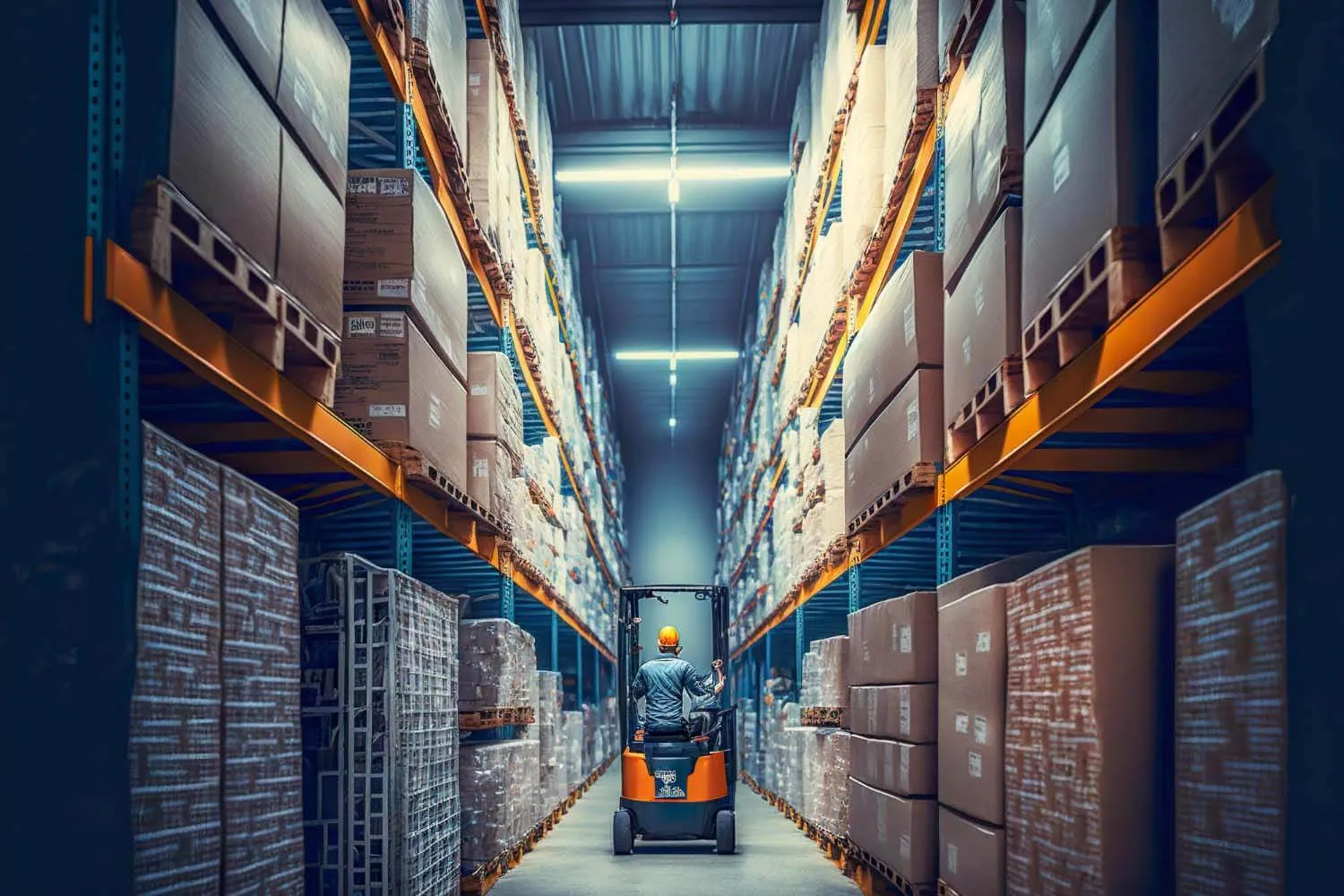
Product security begins with understanding the risks associated with the goods being stored. Secure warehouse storage services should address unauthorized access, physical damage, inventory discrepancies, unsuitable environmental conditions, and errors during receiving or dispatch. Appropriate safeguards may include controlled entry, documented goods movements, organized storage locations, suitable handling equipment, and periodic inventory checks. The required protection depends on the product category. Finished textiles, precision components, packaged consumer goods, and industrial machinery do not necessarily require identical storage conditions.
One frequently encountered operational problem is damage caused by inadequate packaging rather than a lack of physical security. Products may arrive from manufacturers in packaging suitable for short domestic transportation but insufficient for prolonged storage or international shipment. Heavy cartons stacked incorrectly can crush lower layers, while poorly secured machinery components may shift during handling. For example, a company storing branded glass merchandise should consider protective internal packaging, pallet stability, and handling instructions before consolidating goods with heavier products. Appropriate storage planning must therefore consider the complete movement of inventory, not simply the condition of the warehouse building.
The mistake many buyers make is assuming that a warehouse described as secure automatically provides comprehensive protection for every type of cargo. Before selecting a facility, companies should clarify responsibility for damaged goods, insurance arrangements, access controls, inventory discrepancies, and any special handling requirements. Sensitive products may need temperature monitoring, humidity management, restricted access, or specialized equipment, depending on their specifications. These capabilities should be verified individually rather than assumed. A well-defined storage agreement establishes handling expectations and provides a practical framework for investigating problems when they occur.

International Warehouse Storage Solutions in Turkey Secure B2B Warehousing, Inventory Management and Global Distribution Services
How Do International Warehouse Storage Solutions Improve Inventory Management and Supply Chain Efficiency?
Effective international inventory management depends on accurate information about what has been received, where products are stored, which quantities remain available, and which goods are committed to outgoing orders. Warehouses can support these requirements through stock identification, receiving records, location management, and inventory reconciliation. More advanced operations may use warehouse management systems, barcode identification, or integration with purchasing and order management platforms. The objective is to reduce the difference between physical inventory and the stock information used by procurement, sales, and logistics teams.
In real operations, inventory inaccuracies often originate before products enter storage. A supplier may deliver fewer units than stated on the packing list, mix different product variants within one carton, or use inconsistent product identification. If these discrepancies are not documented during receiving, they can become expensive problems when international orders are prepared. For example, an importer purchasing 5,000 customized promotional bags in several colors needs accurate quantities by variant, not simply confirmation that 5,000 units were delivered. Receiving procedures, SKU identification, and periodic stock checks can help prevent incorrect shipments and avoidable customer disputes.
A well-organized warehouse also contributes to international supply chain management by improving coordination between purchasing decisions and transportation schedules. Businesses can establish reorder points, monitor stock turnover, and identify slow-moving products before storage expenses become excessive. First-in, first-out procedures may be appropriate for certain inventory categories, while batch or expiration-date tracking is necessary for others. However, holding more stock is not always beneficial. Excess inventory ties up working capital and increases handling costs. The most effective approach balances product availability against demand uncertainty, supplier lead times, and storage expenses.
Which Industries Benefit Most from Professional B2B Warehousing Services in Turkey?
Manufacturing-related sectors are among the most relevant users of professional warehousing because their supply chains frequently involve multiple components, production stages, and transportation requirements. Automotive suppliers, industrial equipment distributors, packaging companies, furniture wholesalers, and textile importers may need temporary or recurring storage before international dispatch. Cross-border warehousing solutions are particularly useful when goods from different production facilities must be combined into complete commercial orders. Industrial buyers may also require storage arrangements that accommodate heavy pallets, irregular dimensions, or machinery components requiring specialized handling.
Consumer-oriented businesses have different operational priorities. Promotional merchandise companies, apparel distributors, homeware importers, and private-label brands often manage numerous product variations and seasonal purchasing cycles. A company preparing branded merchandise for an international marketing campaign may purchase notebooks, bags, drinkware, and accessories from separate Turkish manufacturers. Centralized warehousing allows compatible products to be received, counted, organized, and prepared for shipment according to the campaign schedule. For these businesses, order accuracy and coordination between production completion and dispatch can be more important than simply maximizing available storage space.
Not every industry is equally suited to standard commercial warehousing. Pharmaceuticals, certain food products, hazardous materials, and temperature-sensitive goods may require regulated facilities, specialized documentation, or environmental controls. Businesses handling these products should verify facility suitability and applicable legal requirements before committing inventory. In our assessment of practical warehousing requirements, the most important question is whether the provider’s handling capabilities match the product’s actual risk profile. A conventional dry-goods warehouse may be appropriate for packaged promotional items but unsuitable for products requiring validated cold-chain conditions or hazardous-goods authorization.
How Can International Businesses Reduce Storage and Logistics Costs Through Turkish Warehousing Solutions?
The financial value of cost-effective warehouse storage should be evaluated through total logistics expenditure rather than the advertised storage rate alone. Warehouse costs may include pallet or square-meter charges, receiving fees, loading and unloading, packaging, inventory administration, and outbound preparation. Transportation costs, customs-related expenses, and the cost of holding inventory must also be considered. A low storage rate can become expensive if every product movement generates additional handling charges or if the facility is poorly positioned relative to suppliers and export routes.
One practical cost-saving method is consolidating compatible shipments from multiple manufacturers. Suppose an international distributor purchases products from four suppliers, each delivering relatively small quantities. Shipping every order independently may create repeated collection charges, documentation work, and international freight minimums. By organizing domestic collections and combining suitable goods into fewer export shipments, the buyer may achieve better utilization of transport capacity. Nevertheless, consolidation is not automatically cheaper. Additional warehouse handling, domestic transport, and waiting time can offset freight savings, especially when individual orders are urgent or have different destination requirements.
The most common purchasing mistake is comparing warehouse quotations without requesting a complete breakdown of operational charges. Businesses should evaluate storage duration, expected monthly inbound and outbound volumes, product dimensions, handling frequency, and the cost of additional services. Third-party logistics warehousing can be attractive for companies that do not want to invest in their own Turkish facilities, employees, and equipment. However, organizations with consistently high volumes may find dedicated warehousing more economical. The decision should be based on a realistic cost model covering both predictable and exceptional operating scenarios.
What Role Do Warehouse Management and Order Processing Services Play in Global Distribution?
Warehouse management connects physical inventory with commercial delivery commitments. When an international customer places an order, the warehouse operation must identify the correct goods, confirm available quantities, prepare appropriate packaging, and coordinate dispatch according to the agreed shipment instructions. In global distribution and warehousing, these processes become more complex when orders involve multiple product categories, destinations, carriers, or delivery schedules. Clear procedures for receiving, stock allocation, picking, packing, and dispatch are essential for maintaining consistency.
A practical example involves a wholesale company supplying retailers in several European countries from products manufactured in Turkey. Rather than exporting all inventory to one destination immediately, the company may maintain an agreed quantity in Turkish storage and organize shipments as commercial orders are confirmed. This arrangement can provide flexibility when customer demand varies, although international transit times and customs procedures must still be included in delivery planning. The warehouse should also distinguish between products reserved for specific customers and stock available for general distribution to avoid allocating the same inventory twice.
In actual operations, the most damaging order-processing errors often involve incomplete instructions rather than physical handling problems. Missing delivery references, incorrect carton labels, inconsistent SKU descriptions, and unclear packing requirements can delay shipments even when inventory is available. Professional international warehouse and distribution services should therefore operate with documented order instructions, shipment verification procedures, and clear communication responsibilities. Businesses should also establish measurable performance indicators, such as inventory accuracy, order preparation time, dispatch accuracy, and damage rates, to evaluate whether the warehouse arrangement supports their commercial objectives.
How Do Integrated Warehousing, Product Sourcing and Quality Inspection Services Simplify International Trade?
International procurement becomes more complicated when supplier identification, manufacturing coordination, inspection, storage, and transportation are managed independently. Each operational handover creates opportunities for information loss, scheduling conflicts, and unclear responsibility. Integrating Product Sourcing, Warehousing, and Quality Inspection within a coordinated purchasing process can reduce these problems by establishing consistent product specifications, receiving expectations, and shipment requirements. This is particularly valuable for international buyers who do not maintain their own operational teams in Turkey.
Consider a company purchasing private-label promotional merchandise from several Turkish manufacturers. The process may begin with identifying suitable suppliers, agreeing on product specifications, and arranging production schedules. Once goods are ready, appropriate inspections can help assess conformity with the buyer’s requirements before products are accepted for onward handling. The inventory can then be organized for storage, consolidation, or export preparation. Quality checks may involve visual examination, dimensional measurements, functional testing, or material assessment, depending on the product. For specialized requirements, independent inspection organizations may also be involved.
One of the most important lessons in international procurement is that inspection timing affects the cost of correcting defects. Discovering a product problem after export can lead to expensive returns, replacements, or customer claims. Checking goods before shipment may allow issues to be addressed closer to the manufacturing source. However, warehousing does not replace quality assurance, and inspection does not guarantee that every unit is defect-free. Businesses should establish acceptance criteria, sampling arrangements, reporting requirements, and procedures for rejected goods before production begins. This creates a more controlled purchasing process and reduces uncertainty between manufacturing and international delivery.
What Should B2B Companies Consider When Choosing an International Warehouse Storage Provider in Turkey?
Selecting a warehouse provider requires evaluating operational suitability, commercial transparency, and the provider’s ability to support expected business growth. Location is important, but it should be assessed alongside proximity to manufacturers, relevant transport corridors, handling equipment, available storage capacity, and the type of inventory being managed. Companies should also investigate receiving procedures, stock reporting frequency, security arrangements, insurance responsibilities, and the provider’s experience with international shipments. The strongest option is not necessarily the largest warehouse; it is the facility that can consistently meet the buyer’s specific requirements.
Our experience-based approach to evaluating international warehousing services emphasizes operational questions that are often overlooked during initial negotiations. Can the provider identify inventory by SKU, batch, or customer reference? How are quantity discrepancies documented? What happens when products arrive damaged? Can the warehouse accommodate irregular shipments or seasonal volume increases? Are loading and packaging charges clearly defined? Businesses should request written procedures and, where commercially appropriate, arrange a facility visit or operational review. These checks provide more useful information than general promises about security, flexibility, or service quality.
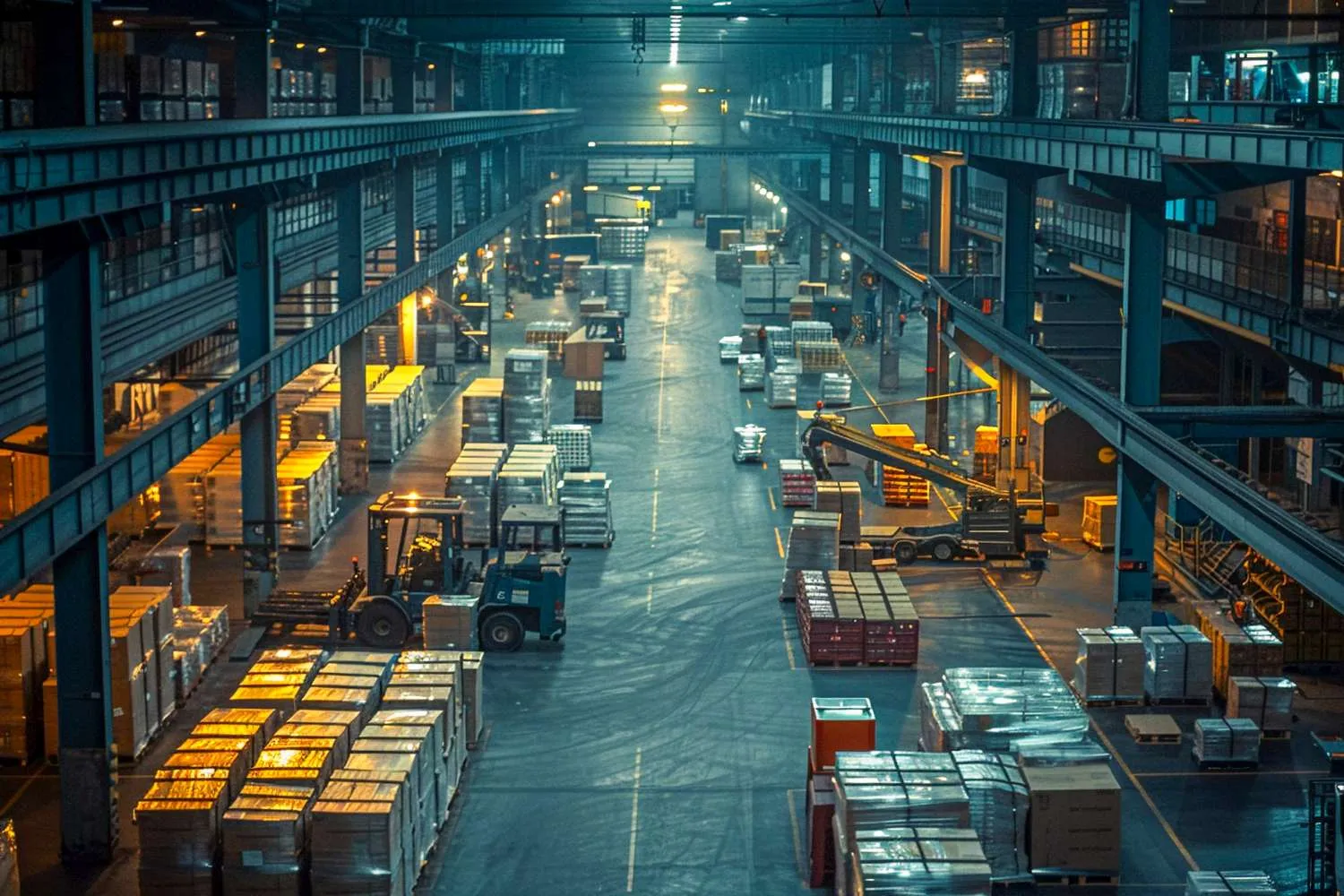
Buyers should also compare shared warehousing, dedicated storage, and short-term storage arrangements. Shared facilities may suit companies with moderate volumes or fluctuating inventory, while dedicated space can be appropriate for high-volume operations requiring customized processes. Short-term storage is useful for shipment consolidation or temporary production delays but may be inefficient for businesses maintaining permanent stock. Before signing an agreement, clarify minimum commitments, termination conditions, liability limitations, reporting arrangements, and responsibilities for customs documentation. For customs-controlled or bonded storage, verify the relevant authorizations and procedures separately. A provider should be selected according to documented capabilities, not assumptions about what its facilities can accommodate.
International Warehouse Storage Solutions in Turkey Secure B2B Warehousing, Inventory Management and Global Distribution Services
How Does Turkey Sourcing Agency Provide Reliable International Warehouse Storage Solutions for Global B2B Businesses?
Turkey Sourcing Agency supports international businesses seeking coordinated sourcing, storage, and shipment arrangements from Turkey. Our approach focuses on helping overseas buyers manage the practical connections between Turkish manufacturers and international markets. Through our Warehousing services, we provide storage and packaging support for products purchased in Turkey, while our broader sourcing capabilities help customers coordinate procurement requirements with their commercial objectives. For companies working with multiple suppliers, this integrated approach can simplify communication and reduce the administrative burden associated with fragmented purchasing arrangements.
Our services extend beyond storage. Through Product Sourcing, we help businesses identify products and manufacturing opportunities within our Turkish supplier network. Our Buying Services support procurement and export arrangements on behalf of international customers, while Quality Inspection includes product checks and detailed reporting based on relevant requirements. We also coordinate with recognized inspection organizations such as SGS and Bureau Veritas when appropriate. For transportation, our Logistics capabilities cover air, sea, and road freight, including multimodal arrangements and specialized cargo requirements. Our stated international logistics network spans 400 offices across 84 countries, supporting coordination across diverse destinations.
For businesses requiring broader distribution support, Turkey Sourcing Agency also provides Order Fulfilment services focused on managing B2C orders and delivery to end consumers. Together, these capabilities allow us to support different stages of the international purchasing and distribution process according to each customer’s needs. Whether a business requires temporary storage before export, coordination of products from several manufacturers, or a more comprehensive Turkish procurement arrangement, we focus on developing practical solutions based on product characteristics, shipment volumes, and destination requirements. Companies seeking dependable international warehouse storage solutions can contact Turkey Sourcing Agency to discuss their sourcing, warehousing, inspection, and global transportation requirements and identify an appropriate operating model for their international trade activities.