Marketing Promo Items Manufacturing in Turkey for Custom Branded Corporate Merchandise and International Wholesale Supply
For American companies and international brands seeking reliable marketing promo items, Turkey offers a manufacturing environment where product customization, competitive production costs, and international distribution can be coordinated within a single procurement strategy. From branded apparel and corporate stationery to event giveaways, promotional drinkware, and electronic accessories, Turkish manufacturers support businesses looking for professionally produced merchandise that reflects their brand identity.
In addition to matching you with the right Turkey Manufacturers, we provide complete end-to-end support services. Our offerings include Product Sourcing, Logistics, Warehousing, Order Fulfilment, Quality Inspection, and Buying Services.
Successful promotional merchandise procurement requires more than selecting inexpensive products and printing a company logo. Material durability, production capacity, artwork compatibility, packaging specifications, delivery schedules, and consistent branding directly influence the outcome of a campaign. Businesses purchasing custom marketing promo products for trade shows, corporate events, employee programs, and customer acquisition campaigns must evaluate these factors before confirming manufacturing orders.
Turkey’s established textile, printing, packaging, plastics, and consumer goods manufacturing industries create opportunities for international buyers seeking flexible customization and dependable supply arrangements. Whether an American company requires 2,000 branded tote bags for a conference or a multinational organization needs coordinated merchandise across several markets, working with experienced Turkish sourcing specialists can simplify supplier selection, manufacturing oversight, and international shipment planning.

Marketing Promo Items Manufacturing in Turkey for Custom Branded Corporate Merchandise and International Wholesale Supply
Why Is Turkey a Competitive Manufacturing Hub for Marketing Promo Items?
Turkey combines established manufacturing capabilities with access to European, Middle Eastern, and international trade routes. Its textile and apparel industries support customized T-shirts, caps, uniforms, aprons, and fabric bags, while manufacturers in plastics, metalworking, ceramics, and packaging contribute to a broad promotional product portfolio. This diversity allows buyers to source several merchandise categories without necessarily managing unrelated suppliers across multiple countries.
In practical procurement situations, one of the most important advantages is the ability to coordinate manufacturing and decoration processes relatively close to each other. For example, a corporate buyer ordering cotton tote bags can potentially arrange fabric selection, cutting, sewing, screen printing, labeling, and packaging through a coordinated Turkish supply chain. This can reduce unnecessary handling between production stages and improve communication when artwork or packaging specifications require adjustments.
For American companies comparing Turkey with China, India, or domestic US manufacturers, the decision should consider total landed cost rather than unit price alone. Turkish production may offer an attractive balance of customization flexibility, quality, and lead-time control, particularly for textile-based merchandise. However, freight expenses, customs duties, order volume, and production complexity determine the final advantage. A qualified Turkish marketing promo items manufacturer should therefore be evaluated against the complete commercial requirements of each project.
What Types of Marketing Promo Items Can Be Custom Manufactured for International Brands?
Turkish manufacturing capabilities cover numerous categories of personalized marketing merchandise, including promotional T-shirts, polo shirts, baseball caps, hoodies, tote bags, backpacks, notebooks, planners, pens, mugs, reusable bottles, umbrellas, keychains, lanyards, and branded packaging. Businesses can also explore technology accessories such as power banks, USB drives, charging cables, and desk accessories, depending on supplier specialization and applicable product compliance requirements.
Different industries require different merchandise strategies. Construction companies frequently choose reflective safety vests, branded workwear, protective apparel, and durable notebooks for field personnel. Restaurants and hospitality businesses may prefer embroidered aprons, reusable cups, uniforms, and printed takeaway bags. Technology companies often select laptop sleeves, cable organizers, premium notebooks, and charging accessories for conferences. Event agencies commonly require economical lanyards, wristbands, caps, badges, and welcome kits.
Our experience with procurement planning highlights the importance of matching product specifications to actual usage conditions. A lightweight cotton bag may work well for distributing brochures at a convention but perform poorly when carrying heavy exhibition materials. Similarly, an inexpensive plastic pen might be appropriate for a mass giveaway, whereas a premium metal pen could better suit executive gifting. Buyers should determine the intended recipient, usage frequency, branding area, and expected product lifespan before choosing merchandise.
How Can Businesses Personalize Marketing Promotional Merchandise with Their Logos?
Manufacturing custom logo marketing products begins with translating brand guidelines into technical production specifications. Companies should provide vector artwork, approved corporate colors, logo placement requirements, minimum print dimensions, and packaging instructions. Vector formats such as AI, EPS, or print-ready PDF generally offer greater flexibility than low-resolution image files, particularly when logos must be reproduced across products with different surfaces and dimensions.
The decoration method should match the material and intended appearance. Screen printing is commonly suitable for larger quantities of cotton apparel and fabric bags, while embroidery creates a textured, durable finish on caps, polo shirts, and uniforms. Sublimation works particularly well on compatible polyester fabrics and coated products. Laser engraving can produce a refined appearance on metal pens and selected accessories, while UV printing supports detailed designs on various rigid surfaces. Each method has limitations involving color reproduction, durability, setup costs, and surface compatibility.
One of the most common mistakes buyers make is approving a digital mockup without reviewing how the design behaves on the physical product. A logo that looks perfectly centered on a computer screen may appear distorted near a mug handle or embroidered seam. For private label marketing promotional products, physical samples or production-equivalent proofs should confirm decoration quality, color consistency, label placement, and packaging before mass production begins.
What Are the Benefits of Custom Marketing Promo Items for Brand Awareness and Customer Acquisition?
Promotional merchandise provides a physical connection between a business and its intended audience. Unlike a digital advertisement that disappears after an impression, a useful branded product can remain in offices, vehicles, homes, and workplaces for extended periods. Branded marketing giveaways such as reusable bottles, notebooks, bags, and desk accessories can create repeated brand exposure when recipients incorporate them into everyday activities.
The strongest promotional campaigns connect product selection with a defined business objective. A software company launching a new platform might distribute branded laptop accessories to qualified conference attendees, while a real estate developer could present premium welcome packages to prospective investors. A university recruiting international students might use branded backpacks and stationery during campus events. These examples demonstrate why the recipient’s interests and the campaign’s commercial purpose should influence merchandise selection.
In real-world marketing applications, distribution strategy is as important as manufacturing quality. Giving expensive merchandise to every exhibition visitor may generate unnecessary spending without improving lead quality. A more effective approach could involve economical giveaways for general visitors and premium custom branded marketing gifts for scheduled meetings or high-value prospects. Companies can evaluate performance through QR-code engagement, event registrations, qualified leads, follow-up appointments, and campaign-specific conversions rather than assuming that product distribution automatically generates sales.
Marketing Promo Items Manufacturing in Turkey for Custom Branded Corporate Merchandise and International Wholesale Supply
Why Do Global Companies Choose Turkish Suppliers for Wholesale Promotional Merchandise?
International buyers increasingly evaluate promotional merchandise suppliers according to production flexibility, communication, quality assurance, and the ability to coordinate multiple product categories. Turkish suppliers can be attractive because of the country’s established manufacturing ecosystem, particularly in textiles, apparel, printed packaging, and selected consumer products. These capabilities make Turkey a practical sourcing destination for corporate merchandise programs requiring customized specifications.
For American purchasing departments, wholesale marketing promotional merchandise orders frequently involve several decision-makers, including marketing teams, procurement managers, brand representatives, and logistics coordinators. A supplier must therefore provide more than a basic quotation. Professional procurement documentation should identify product materials, dimensions, decoration methods, minimum order quantities, sample arrangements, production schedules, packaging configurations, and shipping responsibilities.
Based on our sourcing experience, supplier evaluation should focus on actual manufacturing capability rather than catalog size alone. Some companies operate production facilities, while others coordinate manufacturing through subcontractors. Both models can work, but buyers should understand who controls production, quality inspection, and delivery. Requesting factory information, representative samples, realistic lead times, and clearly defined commercial terms helps international brands distinguish dependable suppliers from intermediaries offering commitments they cannot independently verify.
How Can Custom Printed Marketing Products Support Corporate Advertising Campaigns?
Business advertising merchandise can support product launches, exhibition marketing, employee engagement, customer retention, distributor programs, and seasonal promotional activities. The product’s effectiveness depends on how closely it aligns with the campaign message. A sustainability-focused brand might select durable reusable bags or refillable bottles, while a premium financial services company may prefer understated notebooks, metal pens, and carefully packaged executive gifts.
For example, an American company attending a three-day industry exhibition could create a coordinated merchandise program featuring branded lanyards for staff, tote bags for visitors, and premium gift boxes for prospective distributors. Using consistent corporate colors, typography, and messaging across these products reinforces the visual identity of the campaign. A well-designed package can also communicate professionalism before a sales representative begins a conversation.
An important practical consideration is the balance between branding visibility and product usability. Oversized logos, excessive promotional text, or poorly positioned graphics may discourage recipients from using merchandise publicly. Subtle branding can sometimes produce greater long-term exposure because the product becomes part of everyday life. Marketing teams should test design concepts with intended recipients and prioritize functional value instead of treating every available printing surface as advertising space.
Which Promotional Merchandise Categories Are Most Suitable for Business Marketing Activities?
Selecting the right merchandise category requires an understanding of the target audience, distribution environment, and expected return on promotional investment. For large public events, practical and economical affordable promotional marketing items such as pens, notebooks, cotton bags, keychains, and lanyards often provide a suitable balance between unit cost and distribution volume. Corporate gifting programs, however, generally benefit from higher-value products such as premium drinkware, embroidered apparel, desk accessories, and carefully assembled gift sets.
Different merchandise categories also create different manufacturing and logistical requirements. Textile products offer considerable flexibility in fabric composition, sizing, printing, and embroidery, but require attention to shrinkage, stitching, and color consistency. Ceramic mugs provide a substantial branding surface but need protective packaging to prevent breakage during international transport. Electronic accessories may appeal to technology-oriented audiences, although batteries, electrical safety, labeling, and destination-market compliance can increase procurement complexity. These differences should influence product selection before quotations are requested.
In our experience, the most successful merchandise programs prioritize suitability over novelty. Promotional caps, safety vests, and workwear are particularly relevant for construction exhibitions and industrial distributors, while conference organizers often benefit from tote bags, badges, notebooks, and reusable bottles. Premium electronics may be less suitable for unrestricted mass distribution because of their cost and compliance requirements. Businesses should compare products according to audience relevance, durability, decoration quality, shipping efficiency, and cost per intended recipient.
How Do Turkish Manufacturers Offer Competitive Prices for Bulk Marketing Promo Items?
Turkish manufacturers can achieve competitive pricing through established supplier networks, specialized production facilities, efficient material procurement, and economies of scale. When producing bulk corporate marketing gifts, manufacturers distribute certain fixed expenses, including machine setup, artwork preparation, printing screens, and production planning, across larger quantities. As a result, unit costs may decrease when order volumes increase, although the savings depend on the product category and manufacturing process.
Consider an American marketing agency purchasing 5,000 customized cotton tote bags. A standardized bag design with one-color screen printing will generally require fewer production stages than a fully customized bag featuring special fabric, multiple printing locations, reinforced handles, woven labels, and individual retail packaging. Both options may be commercially appropriate, but their manufacturing costs differ significantly. Buyers should request quotations showing how material choices, decoration methods, packaging, and quantities influence pricing rather than comparing products using only their general descriptions.
One of the most common purchasing mistakes is selecting the lowest quoted factory price without calculating transportation and import expenses. For US buyers, the actual landed cost may include production, packaging, inland freight, international shipping, insurance, customs brokerage, applicable duties, and domestic delivery. Country-of-origin rules and US import classifications must also be considered. Turkey can provide attractive manufacturing economics, but a reliable cost comparison should use equivalent specifications and current import requirements rather than assuming every Turkish product is automatically cheaper.
What Quality Standards Should Businesses Consider When Ordering Custom Marketing Products?
Quality requirements should be defined according to product type, intended use, and destination market. For promotional apparel, buyers should evaluate fabric composition, stitching strength, dimensional tolerances, colorfastness, shrinkage, and print durability. Drinkware requires attention to materials and food-contact suitability, while electronic accessories may require additional safety documentation and technical testing. American buyers should verify relevant US requirements, including applicable consumer product safety rules, labeling obligations, and any product-specific restrictions.
A structured inspection process should include pre-production sample approval, clearly documented specifications, and appropriate production-stage or pre-shipment checks. For custom marketing promo products, inspections may examine logo alignment, printing defects, material consistency, product dimensions, packaging integrity, and quantity accuracy. Where appropriate, internationally recognized inspection organizations can conduct independent assessments. Testing requirements should be established before manufacturing begins because corrective action becomes more expensive after thousands of products have been completed.
In actual procurement projects, a frequent source of disagreement is the absence of measurable acceptance criteria. Descriptions such as “premium quality” or “accurate logo printing” are insufficient without approved samples, color references, material specifications, and defined tolerances. For example, a buyer ordering 10,000 embroidered caps should agree on fabric type, embroidery dimensions, thread colors, stitching expectations, and packaging before production. This approach protects both the manufacturer and the customer while reducing the risk of rejected merchandise or missed campaign deadlines.
How Can Companies Reduce Promotional Merchandise Procurement and Manufacturing Costs?
Reducing procurement expenses begins with product standardization and early purchasing decisions. Businesses ordering custom branded marketing gifts can often control manufacturing costs by selecting established product formats, limiting unnecessary design variations, consolidating compatible orders, and choosing decoration methods suited to the required quantity. For example, using the same notebook dimensions across several regional campaigns may simplify material purchasing and production planning, even when each campaign requires different cover artwork.
Procurement teams should also compare manufacturing methods before approving designs. Screen printing can be economical for larger runs with limited colors, while digital printing may be preferable for smaller quantities or complex multicolor artwork. Embroidery offers a premium finish on apparel but may become expensive for large, detailed designs. Similarly, standard packaging can reduce assembly expenses compared with individually customized gift boxes. These decisions should be made according to the product’s commercial purpose rather than solely its visual appearance.
Our experience in international sourcing suggests that preventing errors often delivers greater savings than negotiating small reductions in unit price. Incorrect artwork, unsuitable materials, inaccurate quantities, and late design changes can create additional sampling expenses, rework, storage costs, or expedited freight charges. Buyers should establish a complete specification sheet, approve samples, confirm production milestones, and calculate the total landed cost before issuing purchase orders. For recurring campaigns, maintaining consistent supplier specifications can further reduce procurement complexity.
How Do Fast Production and International Fulfillment Improve Global Marketing Promotional Campaigns?
Promotional campaigns frequently operate around fixed deadlines, particularly when merchandise is required for trade shows, product launches, conferences, corporate anniversaries, or seasonal advertising activities. Fast manufacturing is valuable only when it is supported by realistic scheduling and dependable transportation. For international marketing product sourcing, buyers should distinguish between sample preparation, production lead time, quality inspection, export handling, international transit, customs clearance, and final delivery. These stages collectively determine when merchandise becomes available for distribution.
For example, a US company preparing for an exhibition in Las Vegas may require branded T-shirts, caps, notebooks, and tote bags to arrive before its exhibition stand is assembled. Manufacturing several products through coordinated Turkish suppliers can simplify production oversight, while consolidated shipments may reduce handling complexity. Air freight may be appropriate for urgent, relatively compact orders, whereas ocean freight can be more economical for larger, less time-sensitive shipments. The correct option depends on shipment weight, volume, product restrictions, budget, and delivery deadline.
In practice, the most common scheduling mistake is treating the factory completion date as the final delivery date. International shipments require additional time for packaging, documentation, transportation, customs procedures, and domestic distribution. Businesses should establish a required delivery date and work backward to determine the latest acceptable production approval date. For time-sensitive campaigns, selecting readily available materials, simplifying customization, and approving artwork promptly may provide more dependable results than requesting an unrealistic manufacturing deadline.

Marketing Promo Items Manufacturing in Turkey for Custom Branded Corporate Merchandise and International Wholesale Supply
How Does Turkey Sourcing Agency Provide Custom Marketing Promo Items Manufacturing and International Supply Solutions?
Turkey Sourcing Agency helps international businesses develop customized promotional merchandise supply arrangements through its Turkish manufacturer network. Our Product Sourcing and Buying Services support companies seeking branded T-shirts, caps, tote bags, notebooks, mugs, pens, aprons, safety vests, corporate gift sets, and other promotional products. We work to identify suitable manufacturing options according to product specifications, customization requirements, order quantities, target costs, and delivery expectations. For American companies unfamiliar with the Turkish manufacturing market, this coordinated approach reduces the need to manage multiple supplier relationships independently.
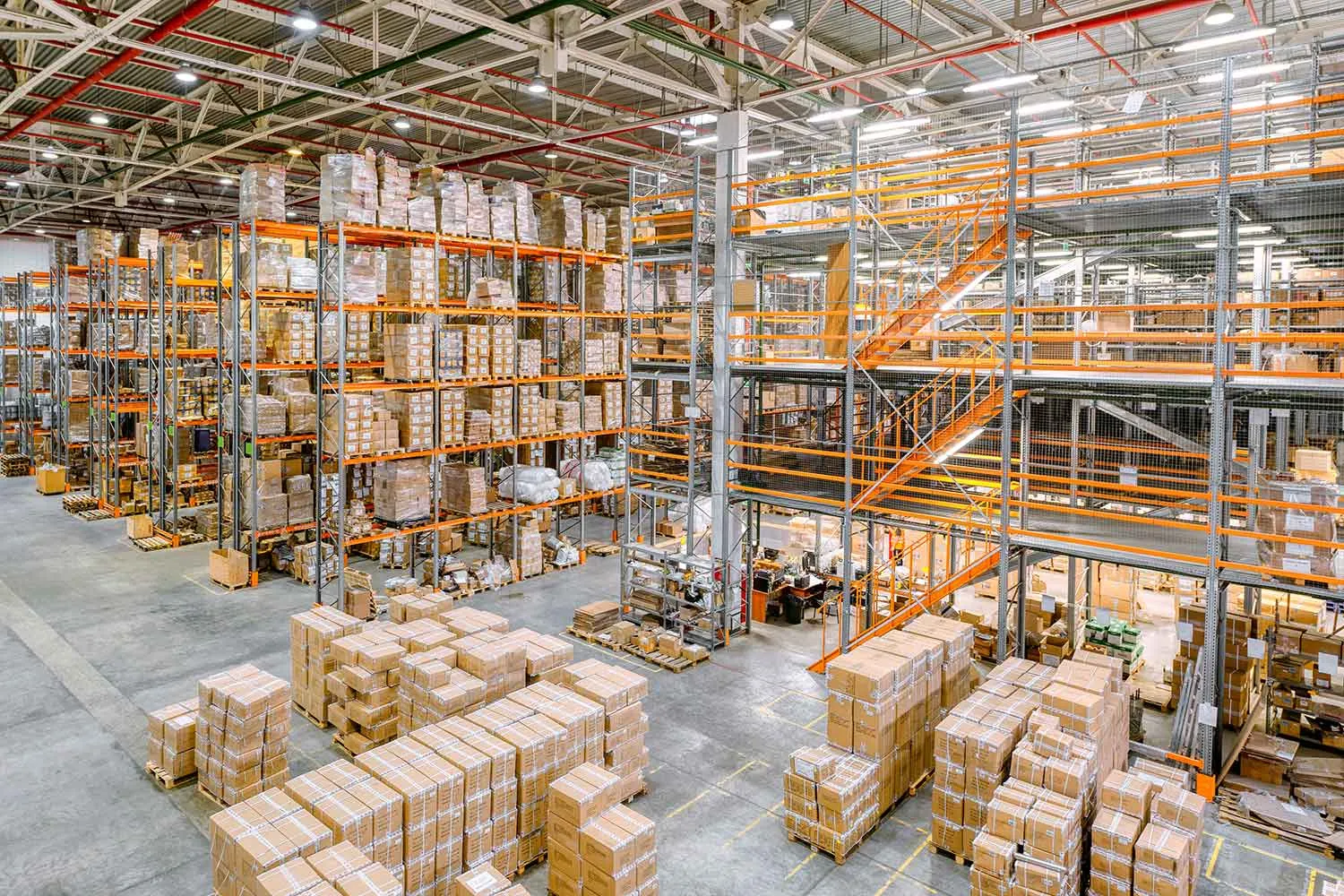
Our Quality Inspection, Warehousing, and Logistics services support the stages between manufacturing and international delivery. Depending on project requirements, we coordinate product inspections, review manufacturing specifications, arrange storage and packaging, and plan international transportation through air, sea, or road freight. Our stated international logistics network spans 400 offices across 84 countries, supporting a broad range of shipping requirements. We also provide Order Fulfilment services for businesses operating B2C distribution models, helping companies manage orders and arrange delivery to end consumers where the required service structure is available.
Our approach is built around a practical principle: promotional merchandise must meet the customer’s brand expectations, commercial budget, and campaign deadline simultaneously. Whether your business needs 1,000 customized notebooks for a corporate event, 10,000 branded tote bags for a national marketing campaign, or a multi-product promotional collection for international distributors, Turkey Sourcing Agency can help evaluate manufacturing and supply options. Contact Turkey Sourcing Agency to request a customized quotation and share your product requirements, artwork, estimated quantities, destination country, and required delivery date. We will help you explore cost-effective manufacturing solutions in Turkey and develop an international supply plan tailored to your business objectives.