
International Fulfillment Services for Global Businesses Sourcing from Turkey
For companies purchasing products from Turkish manufacturers, international fulfillment services provide the operational infrastructure needed to move goods from production facilities to customers across different markets. Successful international trade requires more than competitive manufacturing prices. Businesses must coordinate supplier deliveries, warehouse inventory, process orders accurately, prepare export documentation, and select appropriate transportation methods. Without a structured fulfillment strategy, even a profitable product can become commercially uncompetitive because of unexpected storage expenses, shipping delays, or inefficient inventory handling.
In addition to matching you with the right Turkey Manufacturers, we provide complete end-to-end support services. Our offerings include Product Sourcing, Logistics, Warehousing, Order Fulfilment, Quality Inspection, and Buying Services. These integrated solutions ensure that your apparel production is efficient, transparent, and tailored to meet the demands of global markets. You can learn more about each service on the relevant pages linked throughout our site.
Turkey has developed into an important manufacturing and export destination for businesses seeking reliable suppliers across textiles, apparel, homeware, industrial components, packaging, promotional merchandise, and consumer goods. Its geographical position between Europe, Asia, and the Middle East creates opportunities for companies establishing regional distribution operations. However, the effectiveness of Global Fulfillment Solutions depends on how well manufacturing schedules, inventory availability, warehouse processes, and international transportation are connected. Businesses should evaluate the entire supply chain rather than treating each operation as an independent service.
At Turkey Sourcing Agency, we understand that international buyers require dependable operational coordination after their products leave the manufacturing line. Our approach to international order fulfillment focuses on practical commercial requirements, including supplier communication, product handling, stock organization, order preparation, and shipment coordination. Whether a business imports wholesale merchandise or operates an international e-commerce brand, establishing the right fulfillment structure in Turkey can improve supply chain visibility, reduce unnecessary handling, and support consistent delivery performance.

International Fulfillment Services for Global Businesses Sourcing from Turkey
How International Fulfillment Services Support Businesses Sourcing Products from Turkey?
International fulfillment connects the activities between completed manufacturing and successful delivery to the buyer or end customer. Depending on the business model, this process can include receiving goods from multiple suppliers, verifying quantities, assigning stock locations, maintaining inventory records, preparing customer orders, and coordinating transportation. Professional fulfillment services Turkey providers must understand that wholesale shipments and individual consumer orders have different operational requirements. A distributor purchasing 2,000 packaged products needs pallet-level receiving and bulk dispatch, while an online retailer selling the same merchandise individually requires unit-level stock control, picking procedures, protective packaging, and individual shipment tracking.
In practice, one of the most common operational problems occurs when manufacturers complete production at different times. Consider a European distributor purchasing textile accessories from three Turkish suppliers. One factory completes production immediately, another requires additional packaging, and the third experiences a short production delay. Shipping each order separately may increase freight and customs administration costs. A coordinated cross-border order processing arrangement can receive available products, maintain accurate inventory records, and prepare a consolidated shipment once the required goods are ready. This approach is particularly useful when several suppliers contribute to one commercial order.
Businesses should also distinguish fulfillment management from transportation services. A freight forwarder primarily arranges cargo movement, whereas a fulfillment operation manages the physical preparation and release of inventory according to order requirements. The distinction becomes important when evaluating outsourced fulfillment solutions. Companies should ask whether the provider can receive stock, maintain SKU-level records, handle packaging variations, process returns where applicable, and communicate shipment status. The right service structure reduces administrative work for overseas buyers without removing their control over purchasing decisions and customer relationships.
Popular Turkish Products for International E-Commerce and Wholesale Fulfillment
Turkey offers manufacturing capabilities across numerous product categories suitable for international distribution. Textile products, clothing, towels, bedding, fashion accessories, household goods, ceramic products, packaging materials, promotional merchandise, and selected consumer accessories are common sourcing categories. However, not every product is equally suitable for international e-commerce fulfillment. Commercial viability depends on product dimensions, weight, durability, demand frequency, packaging requirements, regulatory obligations, and the relationship between selling price and delivered cost. Lightweight, compact products with predictable demand often provide greater flexibility for individual parcel fulfillment than bulky, fragile, or low-margin merchandise.
Our experience with sourcing requirements highlights an important distinction between products that are economical to manufacture and products that are economical to distribute internationally. For example, a customized cotton tote bag may be relatively straightforward to store and ship because it is lightweight, stackable, and resistant to ordinary handling. Ceramic home accessories, by comparison, may require reinforced cartons, internal cushioning, additional warehouse space, and more careful carrier selection. Both categories can be commercially attractive, but their Turkish product fulfillment strategies should reflect different damage risks and transportation economics. A lower factory price does not automatically translate into a lower total fulfillment cost.
Buyers should assess products before committing to large manufacturing quantities. Relevant questions include whether the product requires country-specific labeling, whether its packaging protects it during parcel sorting, whether the destination market imposes special compliance requirements, and whether seasonal demand creates temporary storage pressure. Apparel businesses must consider size and color variations, while promotional merchandise buyers often need customized branding and strict event deadlines. Product selection should therefore combine market research with practical distribution planning, ensuring that manufacturing decisions remain compatible with the intended sales channels.
Benefits of Using Turkey as a Strategic Fulfillment Hub for Global Markets
Turkey’s location provides access to major European markets, the Middle East, Central Asia, and international maritime routes. For businesses sourcing products locally, placing inventory close to manufacturing facilities can reduce unnecessary domestic transfers and create opportunities to combine orders before export. Global Fulfillment Solutions based in Turkey can be particularly relevant for companies purchasing from several Turkish manufacturers and distributing products to multiple international destinations. Rather than arranging a separate export shipment from every factory, businesses can develop a centralized receiving and dispatch model that provides greater control over inventory preparation.
An important practical consideration is the difference between geographic proximity and actual delivery performance. Although Turkey is close to many European markets, shipping time depends on transportation mode, customs procedures, carrier schedules, border conditions, and final delivery arrangements. A full truckload shipment, consolidated road freight movement, express parcel, and sea freight container follow different operational timelines. Businesses considering global distribution services should compare these options using realistic transit assumptions rather than relying exclusively on distance. For urgent replenishment, air freight may be appropriate; for predictable high-volume orders, road or sea transportation may offer better economics.
Turkey is especially attractive as a fulfillment location when products are manufactured domestically and exported after consolidation. However, it is not automatically the most efficient storage location for every business. Companies serving customers primarily within one foreign country may benefit from maintaining additional inventory inside that market, particularly where customs clearance or delivery expectations make cross-border parcel shipping less competitive. A hybrid model can be effective: bulk stock remains in Turkey, while selected fast-moving products are transferred to regional warehouses. Choosing the right structure requires evaluating order geography, stock turnover, customs obligations, and total landed costs.
How Turkish Manufacturers Help Businesses Build Competitive International Product Portfolios?
Developing a profitable international product portfolio involves balancing product quality, manufacturing flexibility, purchasing quantities, and customer demand. Turkish manufacturers offer opportunities across established industries, but supplier selection should extend beyond catalog availability. Buyers need to examine production capacity, minimum order quantities, customization capabilities, packaging standards, communication practices, and consistency between samples and mass production. A supplier offering an attractive initial quotation may become unsuitable if production schedules cannot accommodate regular replenishment or if product specifications change between orders.
One of the most frequent mistakes international buyers make is expanding their product range before establishing reliable demand forecasts. A company might initially purchase 30 variations of a household accessory, assuming that a broader catalog will generate more sales. In practice, only a small number of variations may account for most orders, leaving slow-moving inventory occupying warehouse space. Effective inventory management services depend on disciplined SKU planning, sales performance analysis, and reorder decisions. Starting with a focused selection, monitoring actual demand, and expanding based on verified sales can reduce working capital pressure and avoid unnecessary storage costs.
Private label manufacturing creates additional opportunities for differentiation. Businesses can develop branded textiles, promotional products, packaging, lifestyle accessories, and other customized merchandise using Turkish production capabilities. However, customization introduces approval stages involving artwork, materials, labeling, samples, and production specifications. International buyers should document these requirements before manufacturing begins and confirm how finished products will be identified inside the warehouse. A clearly defined product portfolio, supported by reliable supplier agreements and consistent product codes, creates a stronger foundation for scalable international distribution.
International Fulfillment Services for Global Businesses Sourcing from Turkey
Warehousing Solutions in Turkey for International B2B Orders and Inventory Management
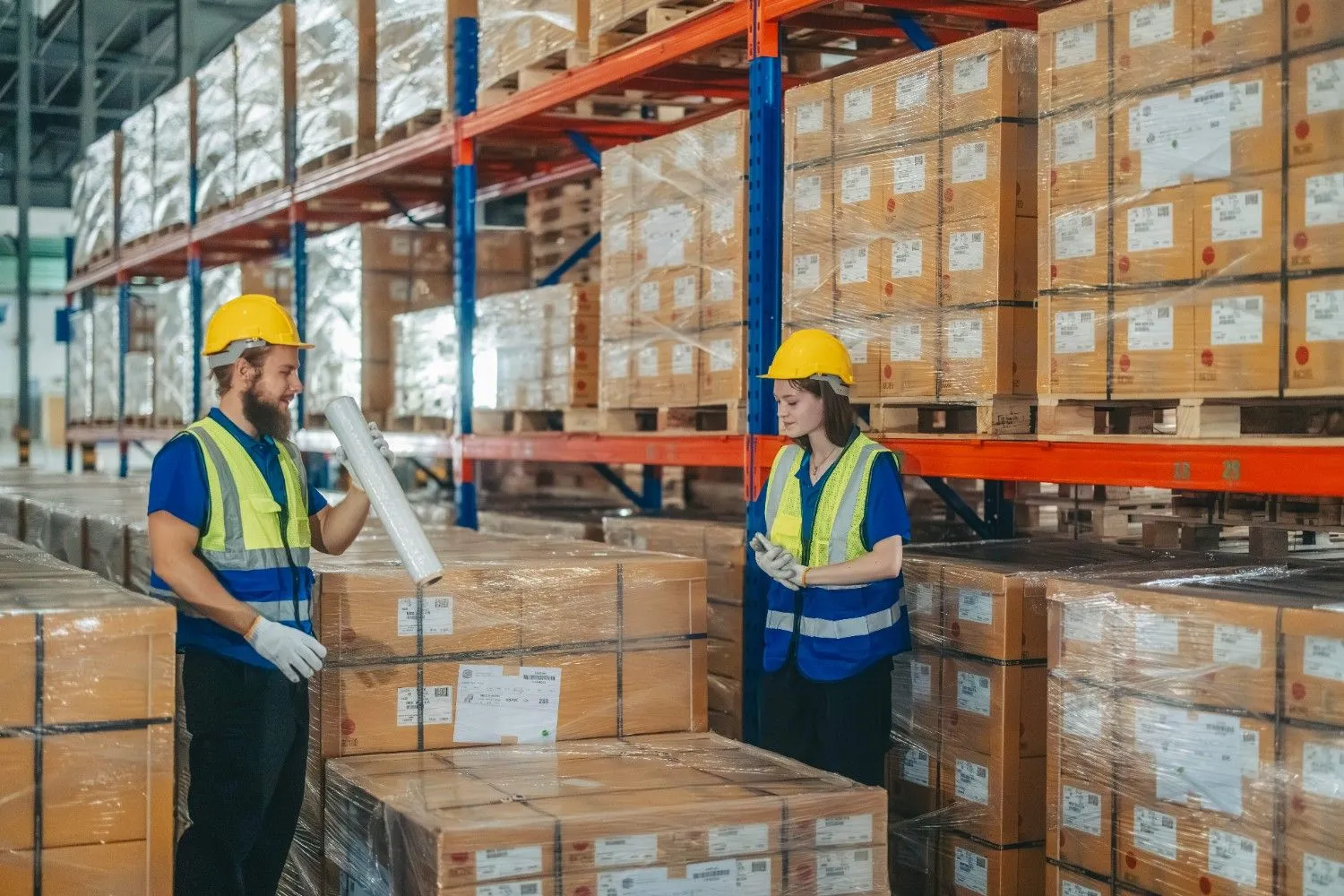
Professional warehousing is not simply the availability of storage space. It requires receiving procedures, inventory identification, appropriate product placement, stock movement records, and controlled dispatch processes. International warehousing solutions should be designed around the physical characteristics and turnover patterns of the merchandise. Palletized industrial components, boxed promotional products, textile cartons, and individually packaged retail goods have different requirements for shelving, handling equipment, warehouse layout, and picking operations. Businesses should evaluate whether the proposed facility can accommodate their inventory profile without introducing excessive handling or storage charges.
In actual warehouse operations, inventory discrepancies frequently originate during receiving rather than dispatch. A supplier may report that 500 units have been delivered, while the warehouse receives cartons containing an unexpected assortment of colors, sizes, or product variations. If receiving staff record only the total carton quantity, the discrepancy may remain undiscovered until a customer order cannot be completed. Reliable stock management requires clear SKU identification, quantity verification, discrepancy reporting, and traceable stock adjustments. Depending on the operation, batch numbers, serial numbers, expiry dates, or first-expired-first-out procedures may also be necessary.
For B2B order fulfillment services, warehouse organization should reflect commercial shipping requirements. Wholesale customers may request full cartons, mixed pallets, specific pallet dimensions, or deliveries prepared according to retailer receiving standards. Businesses should establish rules for minimum stock levels, inventory reservations, damaged merchandise, and slow-moving products. Storage pricing should also be reviewed carefully, including pallet positions, cubic-meter charges, receiving fees, handling charges, and inventory reporting. A well-managed warehouse supports purchasing decisions by providing accurate information about what is available, what is reserved, and what must be replenished.
Order Fulfillment Strategies for Wholesale, Retail and E-Commerce Businesses
Different sales channels require different fulfillment workflows. Wholesale distribution generally involves larger quantities per order, fewer shipment destinations, and more complex pallet or carton preparation. Retail replenishment may require store-specific labeling, scheduled delivery appointments, and standardized carton configurations. E-commerce fulfillment typically involves smaller orders, higher picking frequency, individual customer addresses, and a greater need for shipment visibility. Businesses using international fulfillment services should define operational rules for each channel instead of applying one generic process to every transaction.
For example, a brand selling Turkish-made home textiles to European retailers and individual consumers may need two separate picking procedures. Wholesale orders can be prepared by full carton or pallet, while consumer orders require individual item selection, packaging, and parcel labeling. Effective pick and pack services should account for product dimensions, packaging materials, order cut-off times, accuracy checks, and carrier collection schedules. The brand may also need to decide whether promotional inserts, branded packaging, or customer-specific documentation should be included. These details influence labor requirements and cost per completed order.
According to practical fulfillment planning principles, the most important decision is not always whether to outsource operations, but which activities should remain centralized. High-volume businesses with predictable demand may justify dedicated infrastructure, while companies entering new markets often benefit from flexible third-party arrangements. A Turkey-based fulfillment partner can be suitable for businesses seeking local operational coordination without establishing their own warehouse and staffing structure. However, businesses with very low order volumes, highly specialized storage requirements, or strict domestic delivery expectations should compare alternative models before committing to a long-term arrangement.
Quality Inspection and Order Accuracy in International Fulfillment Operations
Product quality and order accuracy are related but distinct responsibilities. Manufacturing quality inspection determines whether goods meet agreed specifications, while fulfillment accuracy verifies that the correct products and quantities are prepared for the correct destination. A product may pass factory inspection and still generate a customer complaint if the wrong size, color, model, or quantity is dispatched. Effective international order fulfillment therefore requires controls at multiple stages, including supplier handover, warehouse receiving, stock identification, picking, packing, and final shipment release.
In practice, the most costly errors are often those discovered after export. Consider a wholesale buyer receiving 300 customized promotional gift sets, only to discover that one component carries an incorrect logo. The financial consequences may include replacement production, additional freight, customs complications, and missed event deadlines. Preventive measures should include approved product samples, documented artwork specifications, packaging checks, and clearly defined inspection criteria. For higher-risk orders, independent verification may be appropriate before goods are released for international transportation. The level of inspection should reflect product value, order complexity, and the consequences of nonconformity.
Turkey Sourcing Agency incorporates quality verification into its broader supply chain coordination approach. Our inspection activities can include visual examination, dimensional checks, functional testing, and material assessments, with detailed reporting according to product requirements. We also coordinate with recognized inspection organizations such as SGS and Bureau Veritas when independent assessment is necessary. These procedures help buyers identify discrepancies before shipment, although inspection scope and sampling methods must be agreed in advance. Quality control is most effective when acceptance criteria are established before production, rather than negotiated after problems arise.
How Product Sourcing and Inventory Consolidation Improve Fulfillment Efficiency?
Businesses sourcing from several manufacturers frequently encounter fragmented deliveries, inconsistent packaging, and different production completion dates. Without coordination, each supplier may arrange separate transportation, increasing receiving work and potentially creating unnecessary international freight expenses. Order consolidation Turkey arrangements allow goods from multiple suppliers to be collected at a designated facility, checked against purchasing records, organized by destination, and prepared for combined dispatch. This can be especially valuable for distributors purchasing complementary product categories from different factories.
A practical example involves a hospitality supplier purchasing towels, guest amenities, branded bags, and decorative accessories from four Turkish manufacturers. Rather than exporting four separate shipments, the company may consolidate the merchandise into one coordinated commercial delivery. However, consolidation is not always the cheapest option. Additional domestic transport, warehouse handling, temporary storage, and repacking can offset freight savings, particularly when goods originate far apart or become available at substantially different times. Buyers should compare the total cost of separate shipments against the complete consolidation cost, including the financial impact of waiting for delayed products.
Effective consolidation also requires accurate purchasing documentation and inventory identification. Products should be associated with their original suppliers, purchase orders, quantities, and destination requirements. A reliable international shipping coordination process should ensure that commercial invoices, packing lists, shipment instructions, and applicable export documents accurately reflect the final cargo configuration. Businesses should establish consolidation deadlines, determine how incomplete supplier deliveries will be handled, and decide whether urgent merchandise can be released separately. These operational rules prevent a cost-saving strategy from becoming a source of avoidable delays.
International Shipping and Last-Mile Delivery Coordination for Products from Turkey
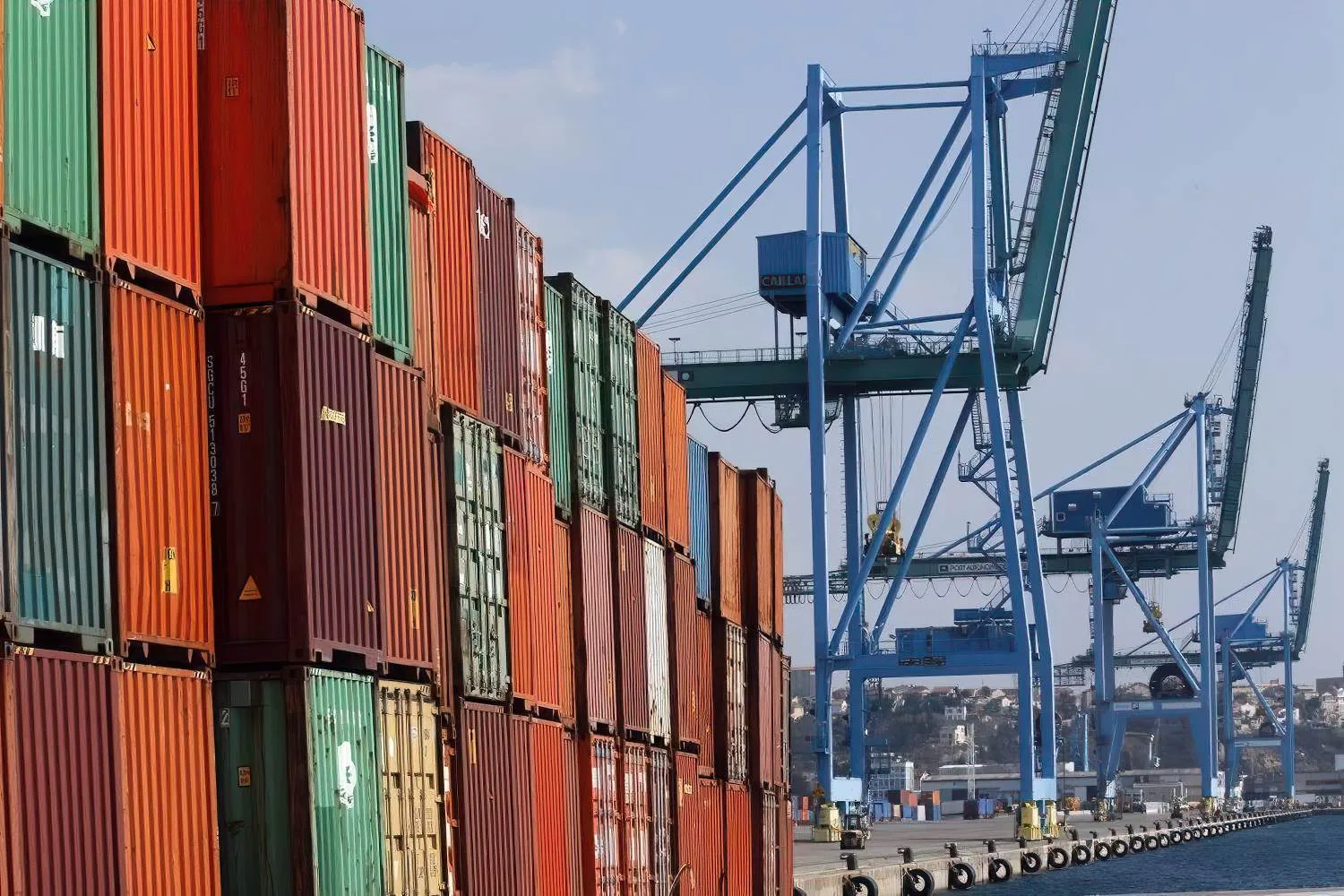
International distribution requires transportation decisions based on shipment size, product value, delivery urgency, destination, and customs requirements. Air freight generally provides faster international movement but can become expensive for heavy or volumetric cargo. Sea freight is often appropriate for larger shipments where transit time is less critical, while road freight plays an important role in trade between Turkey and accessible regional markets. Express parcel networks serve smaller orders requiring individual tracking and residential or business delivery. Successful global distribution services depend on selecting the transportation method that matches the commercial characteristics of each order.
A common mistake is comparing shipping quotations without examining the services included. One quotation may cover transportation only, while another includes collection, export handling, customs brokerage, destination charges, and final delivery. Businesses should clarify the agreed Incoterms, responsibility for import duties and taxes, insurance arrangements, and the party responsible for customs clearance. For e-commerce shipments, delivered-duty-paid and delivered-at-place arrangements create different obligations and customer experiences. Cross-border sellers must also evaluate product classification, import restrictions, applicable VAT or sales taxes, and destination-country consumer requirements before offering international delivery.
Last-mile delivery deserves particular attention because it is the stage customers experience directly. Incorrect addresses, failed delivery attempts, unexpected import charges, and weak tracking communication can damage customer satisfaction even when manufacturing and export operations perform well. Turkey Sourcing Agency supports international transportation planning through air, sea, road, integrated, and multimodal logistics arrangements. Our broader logistics network spans 400 offices across 84 countries, supporting coordination across diverse destinations. For businesses requiring international shipping coordination, we emphasize realistic transportation planning, appropriate cargo handling, documentation accuracy, and clear communication throughout the shipment process.
International Fulfillment Services for Global Businesses Sourcing from Turkey
How Turkey Sourcing Agency Combines Product Sourcing, Warehousing and International Order Fulfillment?
International businesses purchasing from Turkey often need more than a manufacturer directory or a freight quotation. They need a dependable local partner capable of coordinating purchasing requirements, supplier relationships, physical inventory, and international shipment preparation. Turkey Sourcing Agency provides Product Sourcing, Logistics, Warehousing, Order Fulfillment, Quality Inspection, and Buying Services for companies seeking structured supply chain support. Our role is to help international buyers connect manufacturing opportunities in Turkey with practical purchasing, storage, and distribution arrangements, reducing the operational complexity of managing multiple independent providers.
Our approach begins with understanding the buyer’s product specifications, order quantities, intended markets, delivery requirements, and commercial priorities. Through our Turkish manufacturer network, we support supplier identification and purchasing coordination, including promotional merchandise and private label products. Depending on the project, goods can be organized for warehousing, packaging, quality verification, consolidation, and export. For B2C operations, our order fulfillment capabilities support the preparation and delivery of orders to end consumers. Businesses considering outsourced fulfillment solutions can discuss the appropriate operating model based on their product categories, sales channels, and distribution requirements rather than relying on a standardized arrangement.
Turkey Sourcing Agency aims to serve as a long-term Turkey-based fulfillment partner for international buyers seeking dependable supply chain coordination. Our integrated service model connects Product Sourcing, Logistics, Warehousing, Order Fulfillment, Quality Inspection, and Buying Services with international transportation capabilities, helping businesses manage their Turkish purchasing activities through a coordinated structure. Whether you are establishing a wholesale distribution network, developing a private label brand, or expanding cross-border e-commerce operations, contact Turkey Sourcing Agency to discuss your product requirements, target markets, expected order volumes, and fulfillment objectives. We can help you develop a practical sourcing and distribution strategy designed around your business’s commercial priorities.