Inspection Process in Quality Control for Overseas Suppliers
Ensuring product quality is a critical factor when sourcing from overseas suppliers. The Inspection Process in Quality Control is designed to verify that products meet contractual, regulatory, and industry standards before they reach the buyer. It begins with understanding the product specifications and requirements, creating a detailed inspection plan, and establishing the criteria that the goods must satisfy. This process reduces the risk of defects, ensures compliance with international standards, and protects the buyer from financial losses due to substandard products.
In addition to matching you with the right Turkey Manufacturers, we provide complete end-to-end support services. Our offerings include Product Sourcing, Logistics, Warehousing, Order Fulfilment, Quality Inspection, and Buying Services. These integrated solutions ensure that your apparel production is efficient, transparent, and tailored to meet the demands of global markets. You can learn more about each service on the relevant pages linked throughout our site.
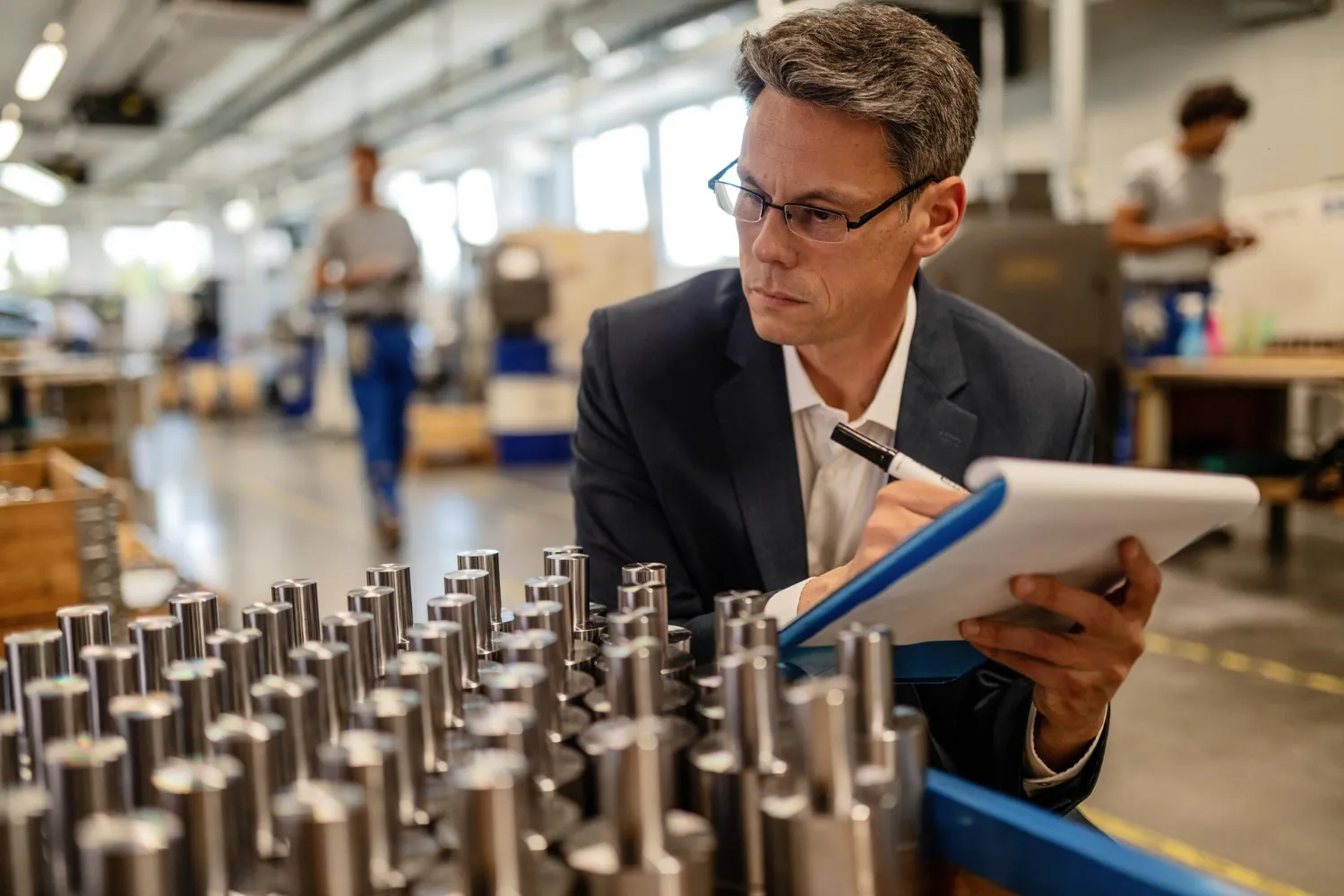
At the heart of this process is the meticulous coordination between inspectors, suppliers, and buyers. Inspectors may conduct preliminary assessments during production, in-process checks, and final inspections at the point of shipment. The evaluation often includes visual inspections, dimensional measurements, functionality tests, and material verification. Each step ensures that deviations are caught early, minimizing the risk of delivering defective goods.
A successful Inspection Process in Quality Control for overseas sourcing also relies on clear communication and documentation. Inspection reports provide detailed findings, including photographs, measurements, and compliance evaluations. These reports form the basis for decisions regarding acceptance, rework, or rejection of goods. By implementing a structured and transparent inspection workflow, companies can maintain product integrity, enhance supplier accountability, and achieve a higher standard of quality assurance.

Inspection Process in Quality Control for Overseas Suppliers
What Is the Inspection Process in Quality Control for Overseas Sourcing?
The Inspection Process in Quality Control for overseas sourcing encompasses several stages designed to verify the quality and conformity of products. Initially, the inspection team reviews the purchase order and technical specifications to develop a precise inspection plan. This ensures that the criteria used during evaluation match the buyer’s expectations and international quality standards. Planning includes defining sample sizes, critical inspection points, and methods of testing.
Once the plan is set, inspectors visit the manufacturing site to perform rigorous assessments. The process includes checking raw materials, production procedures, and finished goods against the defined specifications. Any discrepancies, defects, or non-compliance issues are recorded, allowing the supplier to implement corrective actions promptly. This proactive approach significantly reduces the likelihood of receiving non-conforming products and strengthens supplier accountability.
Finally, a comprehensive report is generated, highlighting all findings and recommendations. This report serves as both a quality record and a tool for informed decision-making. The Inspection Process in Quality Control ensures that overseas sourcing operations maintain consistency, compliance, and customer satisfaction. It also builds trust between buyers and suppliers, establishing a foundation for long-term business relationships.
Types of Products That Can Be Inspected in Turkey
Turkey is a diverse manufacturing hub offering a wide range of products suitable for international markets. Virtually any product can undergo a thorough Quality Control inspection, from textiles, apparel, and footwear to electronics, automotive parts, machinery, and home appliances. Even specialty products such as medical equipment, food packaging, and industrial components benefit from precise inspection procedures designed to meet global standards.
Inspection methods can be adapted to the characteristics and specifications of different product types. For example, apparel inspections may focus on stitching, color consistency, fabric quality, and sizing, while electronics and machinery require functional testing, safety evaluations, and compliance checks. By customizing inspection criteria to product types, Turkey ensures that international buyers receive reliable and high-quality goods that meet both contractual and regulatory requirements.
The range of products that can be inspected in Turkey is a key advantage for companies engaged in overseas sourcing. With robust quality control infrastructure, experienced inspectors, and access to accredited laboratories, buyers can confidently procure diverse products without compromising standards. This flexibility makes Turkey a preferred sourcing destination for businesses seeking reliability, compliance, and high-quality goods.
Turkey Sourcing Agency empowers your brand to unlock the full potential of the Turkish market and international trade through comprehensive services including Product Sourcing, Logistics, Warehousing, Order Fulfilment, Quality Inspection, and Buying Services.
Inspection Process in Quality Control for Overseas Suppliers
Advantages of Quality Inspection When Buying from Turkey
Conducting a thorough Quality Control inspection when buying from Turkey offers multiple advantages for international buyers. Firstly, it reduces the risk of product defects reaching the market, which protects brand reputation and mitigates financial losses. Inspectors identify potential quality issues early in the production process, ensuring that corrective measures can be implemented before products are shipped.
Secondly, quality inspection provides transparency and accountability throughout the supply chain. Buyers gain insight into production practices, materials used, and adherence to technical specifications. This information allows informed decision-making regarding supplier selection, production adjustments, and shipment approvals. Transparency also fosters stronger supplier relationships and promotes continuous improvement in product quality.
Lastly, inspections help companies comply with international standards and regulations. Many markets require strict adherence to safety, environmental, and product-specific standards. By performing rigorous Quality Control inspections, buyers ensure that their products meet these criteria, avoiding customs delays, penalties, or recalls. This advantage is particularly relevant when sourcing from overseas suppliers, where direct oversight can be challenging.
Turkey’s Competitive Strength in Overseas Quality Control and Compliance
Turkey’s manufacturing sector has established a competitive edge in Quality Control and compliance for overseas sourcing. The country combines advanced production capabilities with rigorous inspection standards, making it a reliable sourcing destination. Accredited inspection companies and experienced local inspectors contribute to Turkey’s reputation for delivering products that consistently meet international quality and safety standards.
The nation’s strategic location, coupled with a well-developed export infrastructure, further enhances its competitive strength. Buyers benefit from shorter lead times, access to a wide variety of products, and the ability to conduct inspections close to production sites. This proximity allows real-time monitoring of quality, facilitating immediate corrective actions and ensuring products comply with buyer requirements.
Turkey also emphasizes regulatory compliance and environmental responsibility. Inspectors verify adherence to international certifications, safety guidelines, and sustainability practices. The combination of quality control expertise, compliance assurance, and a strong manufacturing ecosystem positions Turkey as a leading choice for companies seeking reliable and competitive overseas sourcing solutions.
Inspection Methods Used in Overseas Quality Control
Overseas quality inspections employ a variety of Quality Control methods designed to evaluate different aspects of products. Visual inspections are a fundamental technique, focusing on identifying cosmetic defects, color variations, and surface imperfections. Dimensional measurements ensure products meet specified sizes and tolerances, while functional tests assess performance and usability under real-world conditions.
Advanced inspection techniques, including material analysis, laboratory testing, and compliance verification, are applied depending on the product category. For instance, electronics may require electrical safety testing, while textiles undergo fiber composition analysis. Each method is chosen based on critical quality parameters, industry standards, and buyer expectations, creating a thorough evaluation process that ensures product integrity.
Sampling protocols are also a crucial component of inspection methods. Inspections are typically conducted on representative samples rather than entire production batches, with sample sizes determined based on industry norms and contract requirements. This approach balances cost-efficiency with accuracy, allowing buyers to assess product quality while minimizing inspection expenses and disruption to production schedules.

Inspection Process in Quality Control for Overseas Suppliers
Quality Inspection Services by Turkey Sourcing Agency
Turkey Sourcing Agencyoffers end-to-end quality inspection services to support international buyers sourcing from Turkey. Our team of specialists coordinates inspections at production sites, warehouses, or ports, ensuring comprehensive evaluation of every product. We prioritize rigorous standards, regulatory compliance, and transparency in every inspection, providing actionable reports that guide sourcing decisions and safeguard product quality.
Our services integrate seamlessly with other offerings such as Product Sourcing, Logistics, and Order Fulfillment, allowing buyers to manage procurement efficiently. We supervise inspections conducted by accredited organizations such as SGS and Bureau Veritas, collect samples directly, and provide detailed analysis reports. This comprehensive approach enables businesses to confidently source products from Turkey while minimizing risk and ensuring compliance with international standards.
By partnering with Turkey Sourcing Agency, buyers gain access to reliable quality inspection processes that protect their investments, enhance supplier accountability, and strengthen market competitiveness. Our expertise in overseeing overseas quality control, combined with our holistic sourcing and logistics services, ensures that clients receive high-quality products on time and in full compliance with contractual and regulatory requirements.
Why is the inspection process critical in overseas quality control?
It ensures product conformity, prevents shipment delays, reduces defect rates, and protects buyers from financial and operational risks.
How does quality inspection in Turkey compare to other sourcing countries?
Turkey offers faster response times, EU-standard compliance, high production transparency, and easier communication compared to many Far East suppliers.
How does Turkey Sourcing Agency manage the quality inspection process?
Turkey Sourcing Agency provides full quality control services including factory audits, in-line inspections, pre-shipment checks, and international standard compliance, ensuring safe and reliable overseas sourcing for B2B buyers.