
Bulk Buying Solutions for B2B Sourcing from Turkey
International procurement requires more than identifying a manufacturer offering competitive prices. Successful Bulk Buying Solutions depend on supplier reliability, production capacity, commercial negotiations, quality verification, and coordinated international delivery. For businesses purchasing large quantities of products, Turkey offers access to diverse manufacturing industries, established export infrastructure, and opportunities to develop long-term supplier relationships. However, achieving consistent purchasing results requires a structured approach that considers the entire procurement process rather than focusing exclusively on unit prices.
In addition to matching you with the right Turkey Manufacturers, we provide complete end-to-end support services. Our offerings include Product Sourcing, Logistics, Warehousing, Order Fulfilment, Quality Inspection, and Buying Services. These integrated solutions ensure that your apparel production is efficient, transparent, and tailored to meet the demands of global markets. You can learn more about each service on the relevant pages linked throughout our site.
Turkey has become an important sourcing destination for importers, wholesalers, retailers, industrial buyers, and international distributors seeking dependable manufacturing partnerships. Through bulk buying from Turkey, companies can purchase finished goods, industrial components, private label products, and customized merchandise directly from manufacturers. The country’s established production capabilities across textiles, machinery, furniture, packaging, automotive components, and consumer goods make it particularly relevant for businesses managing multiple product categories or recurring purchasing requirements.
At Turkey Sourcing Agency, we understand that international purchasing decisions influence profitability, inventory availability, and customer satisfaction. Effective B2B purchasing solutions must address supplier qualification, product specifications, production schedules, commercial documentation, and shipment planning. Our approach focuses on helping international buyers navigate Turkish manufacturing markets while reducing unnecessary procurement complexity and establishing practical purchasing arrangements that support sustainable business growth.
Bulk Buying Solutions for B2B Sourcing from Turkey
How Bulk Buying Solutions Help International Businesses Source Products from Turkey?
Professional bulk purchasing services help businesses organize purchasing activities that would otherwise involve numerous suppliers, quotations, production schedules, and logistical arrangements. Instead of contacting manufacturers independently and managing fragmented communications, international buyers can establish a coordinated procurement process. This becomes especially valuable when purchasing multiple product categories, developing private label collections, or managing regular shipments for distribution networks. Effective coordination improves visibility over purchasing decisions and helps companies evaluate suppliers using consistent commercial and technical criteria.
In practice, one of the most common challenges arises when buyers compare quotations without establishing identical product specifications. Two manufacturers may offer significantly different prices for apparently similar products because of differences in material composition, production methods, packaging requirements, tolerances, or minimum order quantities. Reliable bulk product procurement begins with a detailed purchasing brief defining the product, expected quality, target quantity, intended market, delivery conditions, and acceptable production timeline. This information creates a common basis for supplier evaluation and reduces disputes after purchase orders have been issued.
For example, a European distributor sourcing promotional textiles, office accessories, and reusable shopping bags may need products from several specialized factories. A coordinated purchasing model allows the distributor to compare production capabilities, negotiate commercial terms, establish inspection requirements, and plan shipments according to seasonal demand. Such arrangements are particularly suitable for companies with recurring wholesale requirements, expanding product portfolios, or limited internal procurement resources. Businesses purchasing a single standardized item occasionally may find direct manufacturer relationships sufficient, provided they can independently manage supplier verification and shipment arrangements.
Top Products to Buy in Bulk from Turkish Manufacturers and Wholesalers
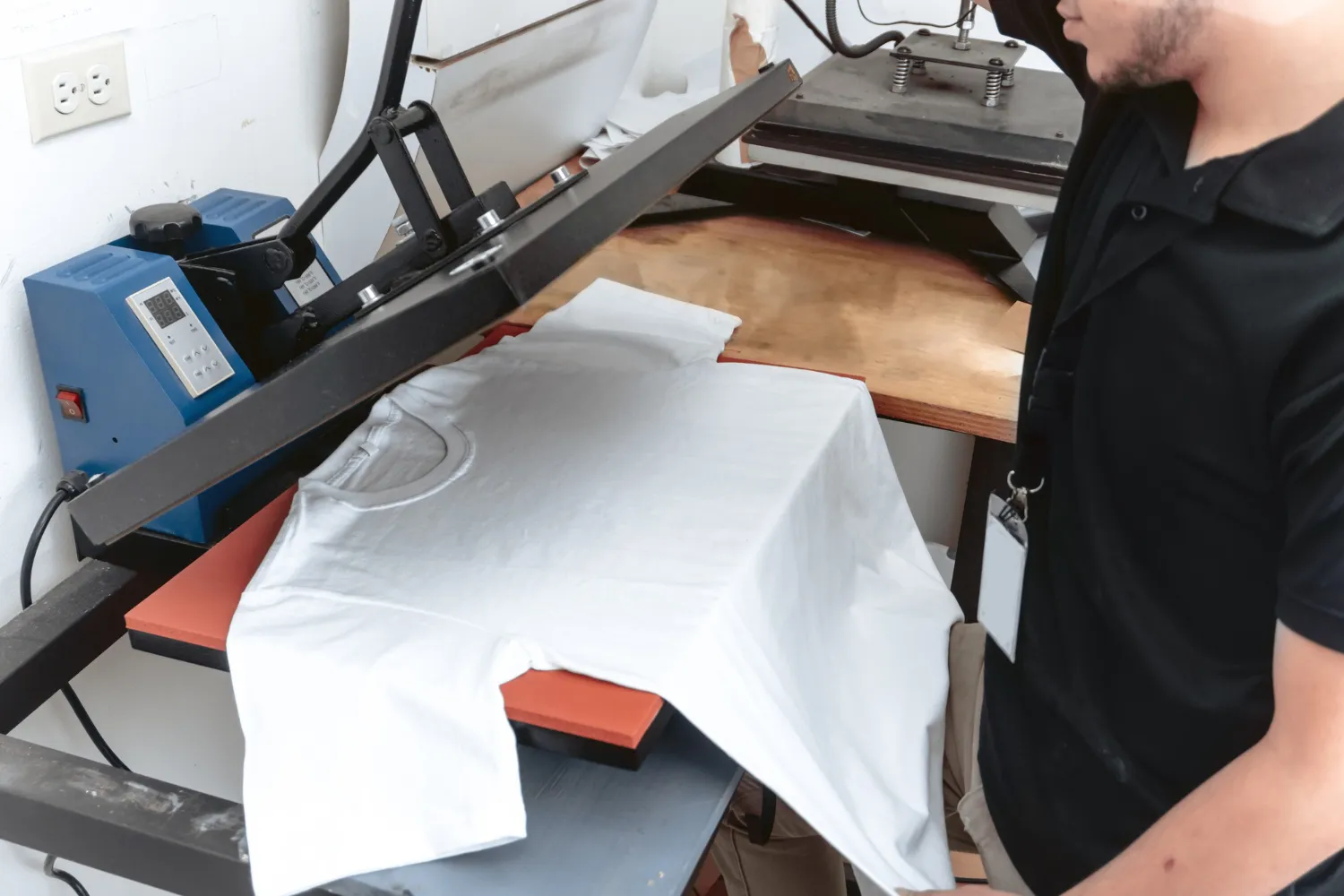
Turkey’s manufacturing landscape supports large volume product sourcing across both consumer and industrial markets. Textiles and apparel remain prominent categories, including cotton garments, workwear, uniforms, towels, bedding, knitted fabrics, and customized promotional clothing. Buyers can also explore furniture, home textiles, ceramics, kitchenware, plastic household products, paper packaging, corrugated boxes, and printed promotional merchandise. For companies developing branded collections, many Turkish manufacturers can accommodate custom colors, labeling, packaging, and production specifications, subject to minimum order quantities and factory capabilities.
Industrial buyers frequently source automotive components, metal fabrication products, fasteners, electrical equipment, machinery parts, plastic components, construction materials, and specialized packaging. However, procurement requirements differ considerably between industries. Purchasing bulk cotton tote bags primarily involves fabric specifications, stitching quality, printing consistency, and packaging arrangements. Buying precision-machined components requires additional attention to dimensional tolerances, material certificates, production repeatability, and technical drawings. Experienced buyers recognize that the appropriate supplier qualification process depends on the operational consequences of product failure.
When evaluating Turkish manufacturers for bulk orders, purchasing teams should distinguish between standard wholesale inventory and made-to-order production. Stock-based products may offer shorter dispatch times but fewer customization opportunities, while factory production can support brand-specific requirements with longer lead times and potentially higher minimum quantities. For instance, a hospitality group purchasing 20,000 customized towels should evaluate fabric weight, shrinkage, colorfastness, embroidery durability, and batch consistency before confirming production. The most appropriate product category is therefore not simply the one offering the lowest quotation, but the one supported by manufacturing capabilities that match the buyer’s commercial and technical expectations.
Why Turkey Is a Competitive Sourcing Destination for International Bulk Purchases?
Turkey combines a diversified industrial base with a geographical position connecting European, Asian, Middle Eastern, and Mediterranean trade routes. This location creates useful transport options for businesses seeking to diversify their international supply chains. Depending on destination, cargo characteristics, and commercial requirements, buyers can consider road freight, maritime transportation, air freight, or combinations of different modes. For European importers in particular, road transportation can provide a practical alternative to longer-distance ocean shipping, although actual transit performance depends on border procedures, carrier capacity, and shipment conditions.
Another advantage of wholesale product sourcing Turkey is access to manufacturing clusters specializing in particular industries. Istanbul supports a broad commercial and manufacturing ecosystem, while Bursa is associated with automotive production and textiles, Denizli with home textiles, Gaziantep with carpets and various manufacturing industries, and Kayseri with furniture production. These regional concentrations can simplify supplier discovery and technical comparisons. Nevertheless, buyers should evaluate individual factories rather than assuming that geographic specialization guarantees product quality, competitive pricing, or available capacity.
From our experience working within Turkish sourcing markets, successful international purchasing depends on matching the manufacturer’s operational profile to the buyer’s requirements. A factory optimized for high-volume standardized production may not be suitable for frequent design changes or small customized batches. Conversely, a flexible manufacturer serving specialized customers may lack the capacity required for continuous container-scale orders. A capable Global Buying Agency helps buyers understand these distinctions, compare realistic production options, and avoid selecting suppliers based solely on attractive initial quotations.

Bulk Buying Solutions for B2B Sourcing from Turkey
Key Turkish Export Products for Wholesale Buyers and Global Distributors
International wholesalers should evaluate Turkish export products according to market demand, regulatory requirements, distribution margins, and supplier continuity. Apparel, home textiles, automotive parts, machinery, electrical products, furniture, ceramics, processed foods, and packaging materials represent relevant purchasing categories. Each category has different commercial considerations. Apparel distributors may prioritize seasonal collections and replenishment flexibility, while industrial importers often emphasize technical consistency, spare-part availability, and long-term manufacturing continuity.
One purchasing mistake frequently encountered in international trade is selecting products before confirming their suitability for the destination market. Electrical products may require applicable safety documentation, while food products can involve labeling, ingredient, traceability, and sanitary requirements. Furniture buyers may need to assess material composition, packaging resistance, assembly instructions, and relevant market standards. Importers should verify applicable requirements using the destination country’s current regulations and product classification. Certificates supplied by a manufacturer should be checked for relevance, validity, and coverage rather than accepted as universal proof of compliance.
For global distributors, international bulk procurement should also consider product lifecycle and inventory turnover. A company importing standardized packaging materials may benefit from predictable recurring orders, whereas a retailer sourcing fashion accessories must account for seasonal changes and potential unsold inventory. A practical buying strategy divides products into core inventory, seasonal merchandise, and experimental categories. This allows purchasing teams to allocate larger quantities to proven products while limiting exposure to uncertain demand. The objective is not maximum purchasing volume, but commercially sustainable inventory supported by reliable supply.
How to Find Reliable Turkish Suppliers for Large-Volume B2B Orders?
Identifying dependable Turkish wholesale suppliers requires a structured verification process. Buyers should establish whether a potential partner is an actual manufacturer, authorized distributor, wholesaler, or trading intermediary. These business models can all provide value, but their pricing structures, customization capabilities, and responsibilities differ. Manufacturers may offer direct production access, while distributors can provide mixed product assortments and available inventory. Buyers should request company registration information, manufacturing details, relevant references, product documentation, and evidence of capacity appropriate to the proposed order.
Effective supplier negotiation services involve considerably more than requesting discounts. Commercial discussions should address minimum order quantities, payment milestones, production lead times, acceptable tolerances, inspection access, packaging specifications, warranty responsibilities, and procedures for defective products. International buyers should also clarify the agreed Incoterms rule and named location, as these determine important delivery responsibilities and cost allocations. A quotation based on EXW cannot be compared directly with a DAP quotation without accounting for transportation and other contractual differences.
A common supplier-selection error is committing to a large purchase after reviewing only digital catalogs and sample photographs. For customized or technically sensitive products, physical samples, approved reference specifications, and appropriate factory assessments provide stronger purchasing evidence. A trial order may be useful when supplier performance is uncertain, although it does not guarantee identical results in subsequent production runs. Reliable wholesale buying agent Turkey arrangements should help buyers maintain documentation, communicate technical requirements clearly, and establish measurable supplier expectations before substantial financial commitments are made.
Cost Advantages of Bulk Purchasing from Türkiye Compared with Other Manufacturing Markets
The financial benefits of cost-effective wholesale sourcing depend on total landed cost rather than factory price alone. Purchasing teams must consider manufacturing charges, tooling expenses, packaging, domestic transportation, international freight, insurance, customs duties, taxes, inspection costs, and potential inventory financing. Currency exposure and payment terms can also affect profitability. A supplier offering a lower unit price may ultimately become more expensive when longer transit times, high defect rates, or additional handling requirements are included in the calculation.
Comparing Turkey with manufacturing markets in Asia or Eastern Europe requires product-specific analysis. For certain European destinations, Turkey’s transport connectivity may offer shorter replenishment cycles than more distant manufacturing locations. This can reduce the amount of inventory held in transit and support more responsive purchasing schedules. However, Asian manufacturers may offer stronger economies of scale in particular categories, while nearby European suppliers may simplify certain administrative or transport arrangements. There is no universally cheapest sourcing country; competitiveness changes according to product complexity, purchase quantity, destination, and delivery requirements.
Consider a distributor comparing 50,000 units of customized merchandise from two countries. Supplier A offers a unit price of €1.80, while Supplier B quotes €1.95. The initial difference is €7,500, but this does not establish which offer is more economical. Freight, duty treatment, production delays, financing costs, and expected defect rates must be added before reaching a conclusion. Professional Buying Services can help structure these comparisons, negotiate commercially meaningful terms, and identify opportunities to improve purchasing efficiency without weakening product specifications or supply reliability.
Quality Control and Product Inspection for Bulk Orders from Turkish Suppliers
Quality assurance becomes increasingly important as purchasing volumes grow because small production inconsistencies can affect thousands of units. Effective inspection planning should begin before manufacturing rather than after goods are packaged for export. Buyers should define approved samples, measurable product specifications, labeling requirements, packaging standards, and acceptable defect criteria. Depending on product risk, inspections may include incoming material verification, in-process checks, pre-shipment inspections, or specialized laboratory testing. Inspection methods and acceptance criteria should be agreed in advance rather than determined after defects appear.
In real procurement situations, one of the most costly mistakes is assuming that an approved sample automatically guarantees consistent mass production. Material substitutions, equipment adjustments, production pressure, and inconsistent finishing procedures can affect final results. For example, a wholesale apparel order may contain correct garment dimensions but inconsistent fabric composition or stitching quality. Similarly, a batch of plastic packaging may appear visually acceptable while failing functional or dimensional requirements. Bulk order management should therefore include production checkpoints, traceable inspection records, and clearly defined corrective-action procedures.
Turkey Sourcing Agency supports international buyers through product inspection coordination and detailed reporting. Our Quality Inspection activities can cover visual checks, dimensional measurements, functional testing, and material analysis according to product requirements. We also coordinate with recognized inspection organizations such as SGS and Bureau Veritas when appropriate, including oversight of sampling and physical inspection activities. For international buyers, the purpose is to obtain reliable evidence about product conformity before accepting goods or authorizing shipment. Inspection reduces uncertainty, although it cannot eliminate every manufacturing or commercial risk.
Warehousing and Consolidation Strategies for Efficient Bulk Purchasing from Turkey
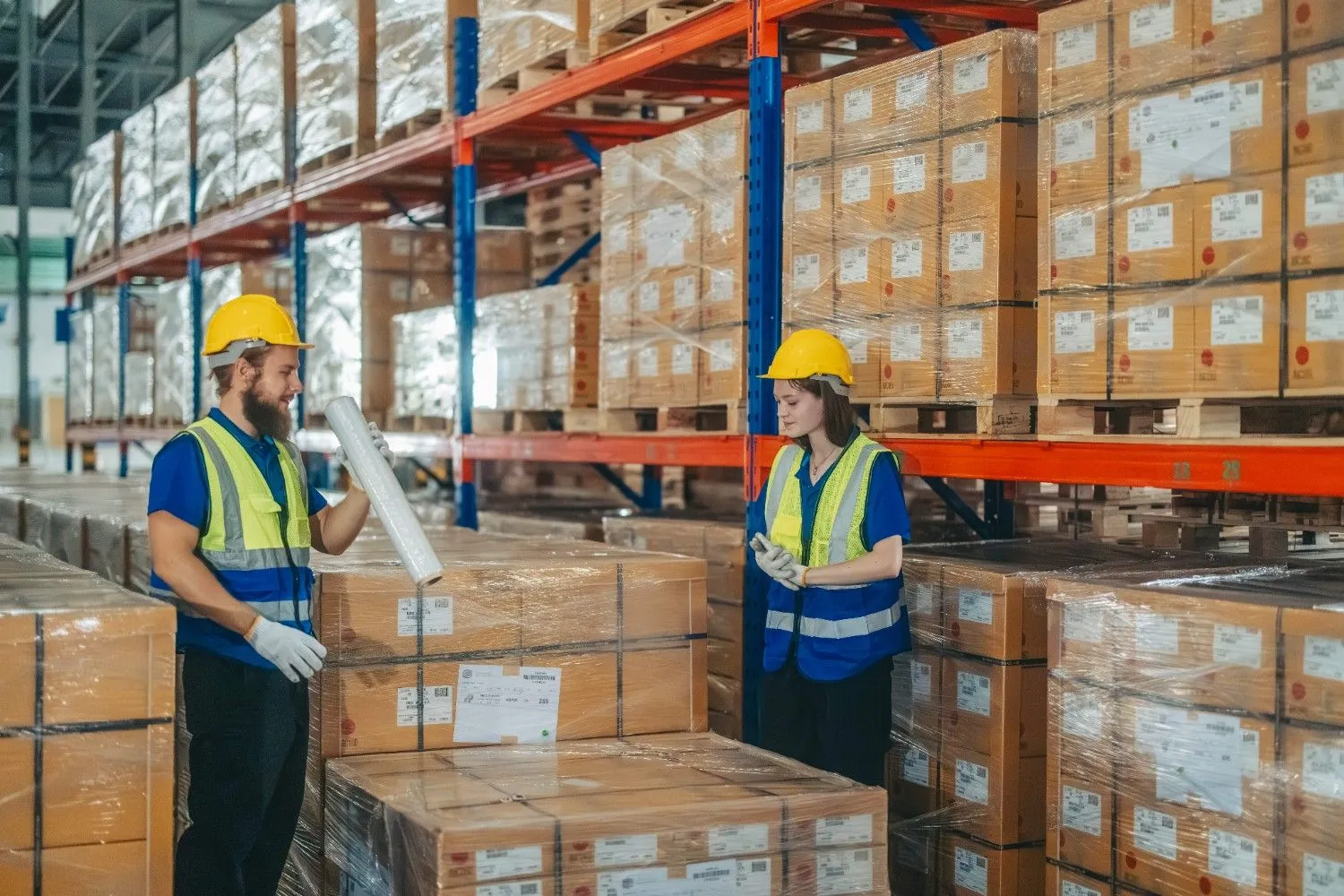
Businesses sourcing from several Turkish factories often face fragmented shipment schedules and unnecessary transportation expenses. Bulk shipment consolidation allows goods from multiple suppliers to be collected at an appropriate warehouse or consolidation facility before international dispatch. This approach can improve cargo utilization, simplify shipment coordination, and reduce repeated handling at destination. However, consolidation is not automatically economical: additional storage, domestic collection, sorting, and handling costs must be compared with the savings achieved through combined transportation.
An effective consolidation plan starts with supplier readiness dates, cargo dimensions, packaging characteristics, and destination requirements. Products should be identified using consistent purchase-order references, carton markings, quantities, and shipping documentation. For example, an international retail distributor purchasing textiles from Denizli, furniture accessories from Kayseri, and promotional products from Istanbul may benefit from a coordinated collection schedule. The optimal consolidation point depends on supplier locations, cargo volume, carrier routes, and shipment deadlines. Fragile, hazardous, temperature-sensitive, or otherwise incompatible cargo may require separate handling arrangements.
In our experience, the most frequent operational problem is treating warehouse storage as a substitute for accurate production scheduling. If one supplier finishes significantly later than the others, completed products may accumulate storage charges while waiting for consolidation. Effective bulk purchasing services should coordinate production milestones and establish realistic shipment cutoffs. Buyers should also assess inventory visibility, carton-level identification, damage reporting, and documentation accuracy. Consolidation is especially valuable for companies managing multiple suppliers and regular export cycles, but direct factory dispatch may remain preferable for large single-supplier shipments or time-critical orders.
International Shipping Options for Bulk Orders from Turkey to Global Markets
Transportation strategy directly affects the competitiveness of bulk buying from Turkey. Sea freight is generally appropriate for substantial cargo volumes when transit time permits, with full-container-load arrangements often considered for larger consolidated shipments and less-than-container-load services for smaller consignments. Road freight can be practical for destinations connected to Turkey through established overland networks. Air freight is typically reserved for urgent, high-value, lightweight, or time-sensitive products because transportation charges can be substantially higher. The right method depends on shipment dimensions, weight, cargo value, delivery urgency, and destination infrastructure.
International buyers should also distinguish between transport price and delivery reliability. The lowest freight quotation may exclude important charges or depend on schedules that do not meet commercial deadlines. Buyers should verify pickup arrangements, cargo insurance, customs responsibilities, terminal handling, delivery conditions, and any destination-specific restrictions. Shipment planning should reflect the agreed Incoterms rule, including which party arranges carriage, bears transport risk at each stage, and handles relevant customs formalities. Accurate commercial invoices, packing lists, transport documents, and applicable certificates help reduce preventable customs complications.
Turkey Sourcing Agency coordinates international Logistics solutions through air, sea, and land transportation, including integrated and multimodal arrangements. Our wider network spans 400 offices across 84 countries, supporting shipment coordination across diverse destinations. For complex requirements, our capabilities also extend to project cargo, breakbulk shipments, bulk cargo, and oversized equipment. The principle behind our logistics approach is simple: “No Cargo is Untransportable.” For wholesale buyers, this means evaluating practical transportation solutions around actual cargo characteristics instead of applying the same shipping method to every order.
Bulk Buying Solutions for B2B Sourcing from Turkey
How Turkey Sourcing Agency Simplifies Bulk Buying, Supplier Selection and Logistics in Turkey?
International companies entering a new sourcing market often underestimate the amount of coordination required between manufacturers, purchasing teams, inspection providers, freight operators, and customs representatives. Turkey Sourcing Agency helps reduce this complexity by providing a central point of coordination for businesses purchasing products from Turkish suppliers. Our Professional Buying Services are designed for international importers, wholesale distributors, retailers, industrial buyers, and brands seeking customized manufacturing. We focus on understanding the commercial objective first, then identifying sourcing and purchasing arrangements appropriate to the product, quantity, destination, and delivery expectations.
Our approach to Bulk Buying Solutions begins with supplier identification and commercial evaluation, followed by purchasing coordination, quality verification, and shipment planning. We help buyers compare manufacturer capabilities, clarify specifications, organize procurement requirements, and coordinate the movement of goods through the supply chain. For companies managing multiple suppliers, this integrated approach can reduce administrative workload and improve communication between purchasing and delivery stages. As a Global Buying Agency operating from Turkey, we aim to help businesses establish transparent, practical, and scalable relationships with the country’s manufacturing sector.
Turkey Sourcing Agency brings together Product Sourcing, Logistics, Warehousing, Order Fullfilment, Quality Inspection, and Buying Services to support international B2B trade from Turkey. Whether your business requires recurring wholesale inventory, customized promotional merchandise, private label production, industrial components, or coordinated shipments from several manufacturers, our team can help organize the process from supplier selection through international delivery. Contact Turkey Sourcing Agency to discuss your product requirements, target quantities, destination market, and purchasing objectives, and discover how professionally managed bulk purchasing services can support your international procurement strategy.