
International Trade Buying Solutions for Global Businesses Sourcing from Turkey
International procurement is no longer simply about finding a manufacturer that offers the lowest unit price. For companies operating across multiple markets, successful purchasing depends on supplier reliability, production capacity, commercial negotiations, quality assurance, and the ability to move goods across borders without unnecessary complications. Professional international trade buying solutions help businesses manage these interconnected responsibilities while building dependable purchasing relationships with manufacturers in Turkey.
In addition to matching you with the right Turkey Manufacturers, we provide complete end-to-end support services. Our offerings include Product Sourcing, Logistics, Warehousing, Order Fulfilment, Quality Inspection, and Buying Services. These integrated solutions ensure that your apparel production is efficient, transparent, and tailored to meet the demands of global markets. You can learn more about each service on the relevant pages linked throughout our site.
Turkey has become an important procurement destination for international wholesalers, distributors, retailers, and industrial buyers seeking competitive manufacturing capabilities and access to European, Middle Eastern, and other global markets. However, purchasing directly from an unfamiliar supplier can introduce risks involving inconsistent specifications, unclear payment conditions, production delays, and unexpected transportation expenses. Structured international procurement services address these challenges by introducing supplier verification, purchasing controls, and coordinated execution throughout the transaction.
At Turkey Sourcing Agency, we understand that international buyers require more than a supplier contact list. They need commercial visibility, practical purchasing guidance, and reliable coordination between manufacturers and overseas customers. Effective global buying solutions should therefore support the complete purchasing decision, from evaluating manufacturing capabilities and negotiating terms to preparing products for international delivery.

International Trade Buying Solutions for Global Businesses Sourcing from Turkey
How International Trade Buying Solutions Simplify B2B Procurement from Turkey?
International B2B procurement involves several decisions that must be managed in the correct sequence. Before approaching manufacturers, buyers should establish product specifications, expected annual volumes, acceptable tolerances, certification requirements, packaging standards, and delivery expectations. A structured purchasing process converts these requirements into a clear request for quotation, allowing suppliers to submit commercially comparable proposals. Professional B2B purchasing services also establish responsibilities for sample approval, production monitoring, documentation, and shipment preparation. This prevents important technical and commercial questions from remaining unresolved until production has already started.
In practice, one of the most common difficulties occurs when international buyers request prices without providing sufficient technical information. Two manufacturers may quote the same product category while proposing different materials, production methods, or quality grades. For example, a buyer purchasing stainless steel components must specify the required steel grade, dimensions, surface finish, and dimensional tolerances. Without these details, the lowest quotation may represent an entirely different product. A qualified Turkey buying agent helps translate purchasing requirements into specifications that manufacturers can understand and price accurately.
The greatest operational advantage comes from centralizing communication and maintaining a documented purchasing process. Instead of separately coordinating quotations, production schedules, payment milestones, and shipping instructions, buyers can work through an organized procurement structure. This approach is particularly valuable for importers managing multiple product categories or manufacturers. However, businesses purchasing a single standardized item occasionally may find direct supplier relationships sufficient, provided they possess the technical knowledge and resources to verify the transaction independently.
Top Turkish Export Products for International Importers and Wholesale Buyers
Turkey’s manufacturing economy supports a broad selection of products suitable for international wholesale distribution. Textiles, apparel, home furnishings, furniture, ceramics, packaging materials, machinery, automotive components, electrical equipment, and construction products are important categories for overseas procurement. Through Turkish export sourcing, international businesses can evaluate manufacturers offering different production capacities, customization capabilities, and commercial arrangements. Product suitability depends on the destination market, required certifications, shipment volume, and whether the buyer intends to resell finished goods or incorporate components into further manufacturing.
Textiles and home products are particularly relevant for private label retailers, hospitality suppliers, and wholesale distributors. Turkish manufacturers produce garments, towels, bedding, upholstery fabrics, and various household textile products. However, product evaluation should extend beyond appearance and price. Buyers need to examine fabric composition, color consistency, shrinkage performance, stitching quality, labeling requirements, and packaging durability. In practical purchasing situations, a supplier producing excellent samples may still require additional production controls to maintain consistency across thousands of units. This makes specification management essential when scaling orders.
Industrial buyers face different purchasing considerations. Machinery, metal components, plastic products, and automotive parts often require technical drawings, material traceability, dimensional verification, and compatibility testing. For example, purchasing replacement components for manufacturing equipment requires more than matching external dimensions; material properties and operating tolerances may determine whether the component performs safely. Experienced international product sourcing therefore begins by identifying the technical and regulatory requirements of each product category rather than assuming that all Turkish manufacturers should be evaluated using the same criteria.
Why Global Businesses Choose Turkey for International Product Procurement?
Turkey’s geographic position provides practical advantages for companies supplying Europe, the Middle East, North Africa, and selected Asian markets. Its connections to international maritime routes, road transportation corridors, and air freight networks create different delivery options depending on product urgency and shipment characteristics. For European buyers, road freight can be particularly relevant for recurring commercial deliveries, while sea freight may offer advantages for larger shipments moving to distant destinations. Nevertheless, transportation efficiency should always be evaluated using actual routes, cargo characteristics, customs requirements, and available carrier schedules rather than geography alone.
Another advantage is the diversity of Turkish manufacturing capabilities. Buyers can evaluate established industrial producers, specialized workshops, contract manufacturers, and businesses supporting private label production. This creates opportunities for global trade procurement strategies that combine standardized products with customized manufacturing. For instance, a retail brand may source textile products from one manufacturer and custom packaging from another. The commercial benefit depends on coordinating specifications, production schedules, and minimum order quantities rather than simply selecting the suppliers offering the lowest individual prices.
Based on our experience with international sourcing requirements, buyers achieve better results when they evaluate Turkey as a manufacturing ecosystem rather than a single low-cost market. Turkey may be particularly suitable for companies requiring product customization, communication with regional manufacturing partners, or manageable replenishment cycles. It may be less suitable when a highly specialized product is unavailable locally or when another manufacturing region offers a substantially better total landed cost. Effective purchasing decisions compare supplier capability, quality expectations, lead times, logistics, and commercial exposure together.

International Trade Buying Solutions for Global Businesses Sourcing from Turkey
How Buying Agents Connect International Buyers with Reliable Turkish Manufacturers?
Identifying manufacturers is relatively straightforward; determining which manufacturers can reliably fulfill a specific international order requires more detailed investigation. A professional purchasing agent in Turkey begins by evaluating the buyer’s product requirements and identifying suppliers with relevant manufacturing capabilities. Initial screening should examine company registration, production specialization, export experience, available capacity, quality management practices, and willingness to provide technical documentation. Supplier websites and product catalogs can support preliminary research, but they should not replace direct verification of manufacturing capabilities.
The most frequent mistake international buyers make is treating a supplier’s product catalog as proof that every listed item is manufactured internally. Some businesses operate as traders, subcontractors, or distributors, which is not necessarily problematic. However, the distinction affects production control, pricing transparency, intellectual property protection, and responsibility for resolving defects. Professional Turkish supplier sourcing should establish whether the proposed supplier owns the manufacturing process, outsources specific operations, or purchases finished products from third parties. Buyers can then determine whether that business model is appropriate for their requirements.
Reliable international supplier management also involves maintaining clear communication after the supplier has been selected. Purchase orders should identify approved specifications, delivery terms, inspection requirements, packaging instructions, and procedures for handling nonconforming goods. For customized manufacturing, buyers should clarify ownership of tooling, molds, drawings, and product designs before production begins. An effective buying agent helps maintain accountability between the international purchaser and Turkish manufacturer, reducing misunderstandings that can otherwise become expensive once goods have entered production.
Cost Advantages of Purchasing Products from Turkey Compared with Other Markets
Comparing procurement costs across countries requires more than evaluating factory quotations. A manufacturer’s unit price represents only one component of the final purchasing expense. Buyers must also consider tooling, inspection, packaging, inland transportation, export handling, international freight, insurance, customs duties, taxes, and potential inventory carrying costs. For example, a product sourced from a distant manufacturing market may have a lower factory price but require longer replenishment cycles and greater inventory commitments. Conversely, a Turkish supplier with a higher unit price may offer a commercially attractive outcome when transportation, delivery frequency, and working capital are considered.
Turkey’s competitiveness varies considerably between industries. Textile manufacturers may offer attractive customization opportunities, while certain electronics or highly standardized consumer products may be more competitively produced elsewhere. Within Turkey itself, manufacturing costs differ according to production technology, raw material sourcing, labor intensity, energy consumption, and order volume. Buyers evaluating wholesale procurement solutions should request quotations based on identical specifications and Incoterms. Comparing an EXW quotation with a DAP quotation without accounting for the different responsibilities can lead to incorrect conclusions about supplier competitiveness.
In real purchasing situations, the cheapest offer is not always the most economical. Consider two suppliers quoting the same product: one offers a lower unit price but requires a large minimum order, while the other accepts smaller recurring purchases. The second supplier may help reduce excess inventory, storage expenses, and exposure to changing customer demand. Businesses should calculate total landed cost per saleable unit and consider defect allowances, replacement costs, and financing requirements. This method provides a more realistic basis for determining whether Turkey offers an advantage over alternative sourcing markets.
Supplier Negotiation and Bulk Purchasing Strategies for International Trade
Successful supplier negotiations begin with understanding how manufacturers calculate their prices. Raw materials, production setup, labor, machine utilization, packaging, and order quantities all influence the commercial proposal. Buyers requesting bulk purchasing services should distinguish between costs that decrease with larger production runs and expenses that remain relatively fixed. For example, a manufacturer may offer meaningful price reductions when an order allows continuous machine operation, but only limited discounts when expensive raw materials dominate production costs. Negotiations become more productive when purchasing volumes and technical requirements are commercially realistic.
One mistake frequently encountered in wholesale negotiations is demanding a substantial price reduction without considering its effect on product specifications. Manufacturers operating under aggressive pricing pressure may propose alternative materials, simplified packaging, or different production methods. These changes can be legitimate cost-saving opportunities, but they must be documented and approved before implementation. Professional supplier negotiation services should focus on total purchasing value, including payment terms, production scheduling, quality commitments, warranty arrangements, and delivery responsibilities. A slightly higher unit price with dependable commercial conditions can be preferable to an unstable agreement.
For international distributors, forecast-based purchasing can offer advantages over isolated large orders. Instead of purchasing an entire annual requirement immediately, buyers may negotiate a framework agreement covering expected volumes and scheduled releases. This approach can improve production planning while reducing inventory exposure, provided the supplier agrees to appropriate conditions. Effective bulk purchasing services are particularly useful for companies with recurring demand, multiple sales channels, or seasonal purchasing requirements. Buyers should nevertheless avoid making binding volume commitments that exceed realistic demand forecasts or available working capital.
How to Verify Turkish Suppliers and Evaluate Product Quality Before Buying?
Supplier verification should begin before any substantial payment is transferred. International buyers should confirm the supplier’s legal identity, business registration details, bank account ownership, manufacturing location, and commercial references where available. The level of investigation should reflect the value and risk of the transaction. For routine purchases of standardized goods, document verification and sample evaluation may be sufficient. For high-value machinery, safety-critical components, or customized products, additional factory assessments and technical evaluations may be necessary. Structured international procurement services can help buyers establish appropriate verification procedures before contractual commitments are made.
Product quality evaluation requires clearly defined acceptance criteria. Buyers should establish measurable requirements for materials, dimensions, performance, appearance, labeling, and packaging. Pre-production samples provide a useful reference, but an approved sample does not automatically guarantee consistent mass production. During-production inspections can identify problems before an entire order is completed, while pre-shipment inspections help assess finished goods against agreed requirements. Sampling plans should be appropriate to the product and contract, and buyers should understand that sample inspections cannot guarantee the absence of every defect. Specialized end-to-end sourcing solutions integrate these checks into purchasing milestones rather than treating inspection as an optional final activity.
At Turkey Sourcing Agency, Quality Inspection is an important part of our support for international purchasing. Our inspection approach includes visual examinations, dimensional measurements, functional checks, and material analysis according to applicable requirements. We also coordinate with recognized inspection organizations such as SGS and Bureau Veritas when independent analysis or specialized verification is needed. Our teams can supervise inspection activities and collect samples at supplier facilities, warehouses, or relevant logistics locations. This gives buyers additional information for evaluating conformity before making shipment decisions, although final acceptance should always follow the agreed contract and inspection criteria.
Coordinating Product Sourcing, Shipping and Customs for International Purchases
International purchasing does not end when the manufacturer completes production. Goods must be packaged, documented, transported, and cleared through the relevant customs procedures. A properly coordinated shipment begins with confirming the product’s customs classification, origin, destination requirements, applicable trade measures, and responsibilities under the agreed Incoterm. Commercial invoices, packing lists, transport documents, and any required certificates should be prepared consistently. Errors involving product descriptions, declared quantities, origin information, or consignee details can create clearance delays and additional costs.
A common operational mistake is selecting an international shipping method before understanding the product’s physical characteristics and commercial delivery requirements. Lightweight urgent goods may justify air freight, while heavy or high-volume products may be more suitable for sea transportation. Road freight can provide flexibility on certain regional routes, and multimodal transportation may be appropriate when a single transport method cannot efficiently serve the complete journey. Effective global buying solutions evaluate cargo dimensions, weight, value, handling requirements, delivery deadlines, and destination infrastructure before confirming transportation arrangements.
Turkey Sourcing Agency supports these requirements through coordinated Product Sourcing and Logistics operations, including air, sea, road, integrated, and multimodal transportation arrangements. Our logistics capabilities extend to project cargo, oversized equipment, breakbulk shipments, and deliveries to challenging destinations. Through an international network spanning 400 offices across 84 countries, we coordinate transportation requirements according to the characteristics of each shipment. Our guiding philosophy, “No Cargo is Untransportable,” reflects our commitment to finding practical solutions for complex logistics challenges. Importers should still confirm customs obligations, restricted goods requirements, and destination-specific compliance before goods are dispatched.
How Consolidated Purchasing Reduces Costs for International B2B Buyers?
Consolidated purchasing allows international buyers to coordinate goods from multiple suppliers within a single procurement and shipment plan. This can be particularly valuable for distributors purchasing complementary products from different Turkish manufacturers. For example, a hospitality supplier may purchase towels, bedding, bathroom accessories, and branded packaging from separate factories. Shipping every order independently may create repeated handling charges, fragmented documentation, and inefficient cargo utilization. Consolidation can reduce these inefficiencies when products can be combined without compromising delivery schedules or handling requirements.
The financial benefits depend on how consolidation is implemented. Buyers should evaluate supplier locations, production completion dates, cargo dimensions, packaging compatibility, and available transportation capacity. A warehouse can serve as a coordination point where goods are received, checked, labeled, and prepared for combined dispatch. However, consolidation is not automatically cheaper. Additional inland transportation, storage, handling, and waiting time may outweigh freight savings when suppliers are geographically dispersed or production schedules differ substantially. Professional wholesale procurement solutions should compare consolidated and direct-shipment scenarios using actual quotations rather than assuming that fewer shipments always mean lower total costs.
In practice, consolidated purchasing works best when buyers have predictable demand, compatible product categories, and sufficient shipment volume. Businesses can also use global trade procurement planning to coordinate supplier order dates and reduce unnecessary inventory accumulation. A practical strategy is to establish a common dispatch window while allowing limited flexibility for products with longer manufacturing lead times. Companies handling urgent spare parts, temperature-sensitive cargo, or products requiring specialized segregation may benefit more from separate shipments. The correct approach depends on balancing transportation efficiency against storage expenses, product risk, and customer delivery commitments.
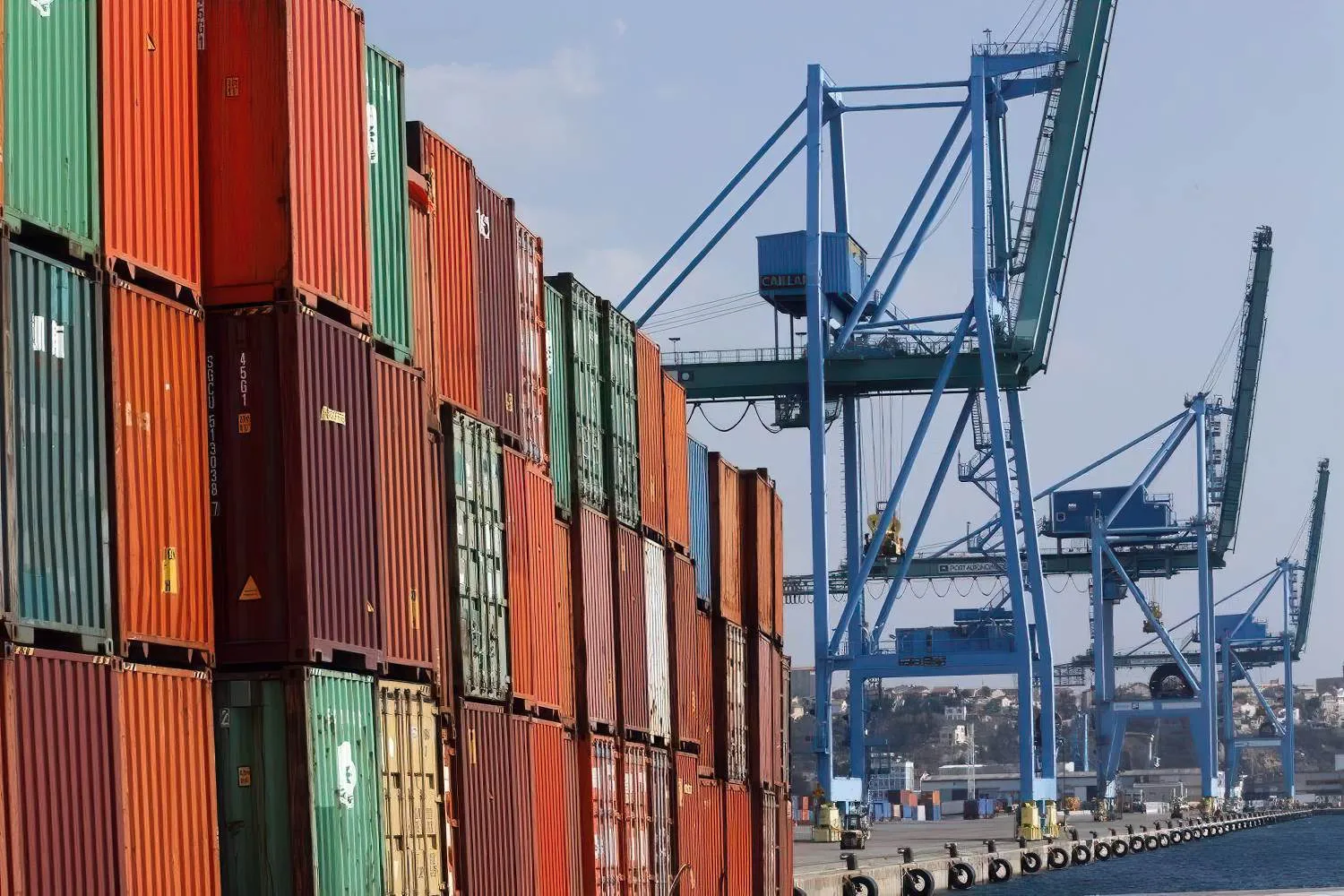
International Trade Buying Solutions for Global Businesses Sourcing from Turkey
How Turkey Sourcing Agency Delivers End-to-End Buying Solutions for International Trade?
International buyers need a procurement partner capable of understanding both commercial requirements and the operational realities of Turkish manufacturing. Turkey Sourcing Agency provides international trade buying solutions designed to connect overseas businesses with suitable Turkish suppliers while coordinating the purchasing process. Our international buying agency approach begins with understanding the buyer’s product specifications, required quantities, target markets, commercial expectations, and delivery conditions. We then support supplier identification, purchasing arrangements, and export coordination. This structure is especially relevant for wholesalers, distributors, retailers, and industrial businesses seeking dependable procurement relationships rather than isolated transactions.
Our end-to-end sourcing solutions bring together six complementary service areas: Product Sourcing, Logistics, Warehousing, Order Fulfillment, Quality Inspection, and Buying Services. Through our manufacturer network, we help businesses identify appropriate sourcing opportunities, including promotional merchandise, private label products, and industrial goods. Our warehousing and packaging capabilities support inventory coordination, while our B2C order fulfillment service can manage orders and arrange direct delivery to end consumers. For international buyers requiring quality verification, we coordinate inspection activities and reporting. These services can be combined according to purchasing requirements rather than forcing every business into the same procurement model.
Working with Turkey Sourcing Agency means approaching international purchasing as a coordinated commercial operation, not simply a search for inexpensive products. Whether your business requires international product sourcing, Turkish supplier sourcing, supplier negotiation services, international supplier management, or a reliable purchasing agent in Turkey, our team is prepared to evaluate your requirements and develop a suitable purchasing strategy. We support international businesses seeking to purchase from Turkey with greater visibility, organized supplier communication, and practical coordination from initial inquiry through export. Contact Turkey Sourcing Agency to discuss your product requirements, purchasing volumes, destination markets, and international trade objectives, and discover how our professional buying services can support your next B2B procurement project.