
Cross-Border Warehousing Services for International B2B Trade
International trade involves more than purchasing products from manufacturers and arranging transportation to overseas markets. Businesses must also determine where goods should be stored, how inventory should be managed, and when shipments should be dispatched. Professional cross-border warehousing services provide the operational infrastructure required to coordinate these activities while maintaining control over inventory, transportation expenses, and international delivery schedules.
In addition to matching you with the right Turkey Manufacturers, we provide complete end-to-end support services. Our offerings include Product Sourcing, Logistics, Warehousing, Order Fulfilment, Quality Inspection, and Buying Services. These integrated solutions ensure that your apparel production is efficient, transparent, and tailored to meet the demands of global markets. You can learn more about each service on the relevant pages linked throughout our site.
Turkey has become an attractive location for companies seeking Global Warehousing Solutions that connect manufacturing operations with international distribution networks. Its established industrial regions, access to European and Asian markets, and extensive transportation infrastructure create opportunities for international wholesalers, importers, and distributors. By combining cross-border storage solutions with supplier coordination and freight planning, businesses can manage Turkish procurement operations without maintaining their own warehouse facilities.
However, successful international warehousing requires more than available storage space. Importers must evaluate inventory turnover, warehouse accessibility, customs requirements, handling procedures, and transportation costs before selecting a logistics arrangement. Understanding these operational factors helps businesses establish reliable supply chains, reduce unnecessary expenses, and maintain predictable product availability across international markets.

Cross-Border Warehousing Services for International B2B Trade
How Cross-Border Warehousing Services Support International B2B Trade?
International B2B transactions frequently involve manufacturers, freight forwarders, customs representatives, and buyers operating in different countries. Without centralized inventory coordination, shipments can become fragmented, increasing administrative workloads and transportation expenses. Professional international warehousing services establish a controlled location where goods can be received, inspected, organized, and prepared for subsequent distribution. This arrangement is particularly useful for companies purchasing products from several manufacturers or supplying multiple international customers.
In practice, one of the most common challenges occurs when production schedules differ between suppliers. For example, a European industrial equipment distributor may purchase mechanical components from three Turkish factories. One manufacturer completes production within two weeks, while the remaining suppliers require additional time. Instead of arranging separate international shipments, the buyer can temporarily store completed products and organize a consolidated dispatch once the remaining goods arrive. This approach can improve shipment coordination, although storage charges and delivery deadlines must be considered.
Effective B2B warehousing solutions also provide inventory visibility and operational accountability. Businesses should establish clear receiving procedures, stock identification systems, warehouse handling instructions, and dispatch authorization processes. For high-value products, serial-number tracking and documented condition reports may be necessary. Companies with predictable inventory turnover and recurring international orders generally benefit most from centralized storage, while businesses purchasing occasional small shipments may find direct transportation more economical.
Benefits of Using Turkey as a Warehousing Hub for Global Businesses
Turkey occupies a commercially significant position between Europe, Asia, and the Middle East. Its manufacturing clusters, established export industries, maritime connections, and international road transportation networks support regional and intercontinental trade. For companies sourcing products from Turkish manufacturers, strategically located Turkish warehouse facilities can reduce the complexity of coordinating procurement and outbound shipments. Istanbul, Kocaeli, Bursa, Izmir, and other industrial regions offer different logistical advantages depending on supplier locations, transportation requirements, and destination markets.
Warehouse location should be selected according to actual cargo movements rather than geographic reputation alone. For example, a business sourcing automotive components from Bursa may benefit from storage near the Marmara industrial corridor, while an importer purchasing agricultural products from western Turkey might prioritize proximity to relevant production areas and export terminals. The most suitable location depends on supplier concentration, shipment frequency, available transportation connections, and cargo handling requirements. Warehouse management Turkey strategies should therefore begin with a detailed assessment of inbound and outbound freight flows.
An important consideration is the distinction between conventional warehouses, bonded warehouses, and other customs-controlled storage arrangements. Goods originating outside Turkey may be subject to different customs procedures depending on their status and intended destination. Storage in a bonded facility does not automatically eliminate customs obligations, and eligibility for particular arrangements must be verified. In our experience, buyers achieve better results when warehouse selection, customs planning, and transportation arrangements are evaluated together before the first commercial shipment.
Products International Buyers Can Source and Store in Turkey
Turkey manufactures and exports products across numerous industrial and consumer categories, making it a practical sourcing destination for international wholesalers. Common categories include textiles, clothing, home furnishings, furniture, automotive components, machinery, packaging materials, construction products, household goods, and promotional merchandise. Businesses using bulk product storage Turkey arrangements can purchase these products in commercial quantities and coordinate distribution according to customer demand, production schedules, or international shipping availability.
Different product categories require different storage conditions. Textile products generally need clean, dry environments with appropriate moisture protection, while machinery and industrial components may require specialized lifting equipment, protective packaging, and corrosion prevention. Furniture often requires careful stacking and surface protection to avoid transportation damage. Certain chemicals, food products, batteries, and temperature-sensitive materials may require additional safety measures, regulatory approvals, or specialized storage infrastructure. Buyers should never assume that every warehouse can accommodate every product category.
A common procurement mistake is selecting a warehouse before confirming the physical characteristics of the goods. For example, a distributor purchasing oversized industrial equipment may discover that the facility lacks sufficient door clearance, floor-loading capacity, or suitable handling machinery. Similarly, an apparel wholesaler managing seasonal collections may require SKU-level separation, barcode identification, and rapid picking rather than simple pallet storage. Businesses should provide prospective warehouse operators with product dimensions, weights, packaging specifications, storage duration, and handling instructions before requesting commercial quotations.
Cross-Border Warehousing Services for International B2B Trade
How Turkish Warehousing Solutions Reduce International Shipping Costs?
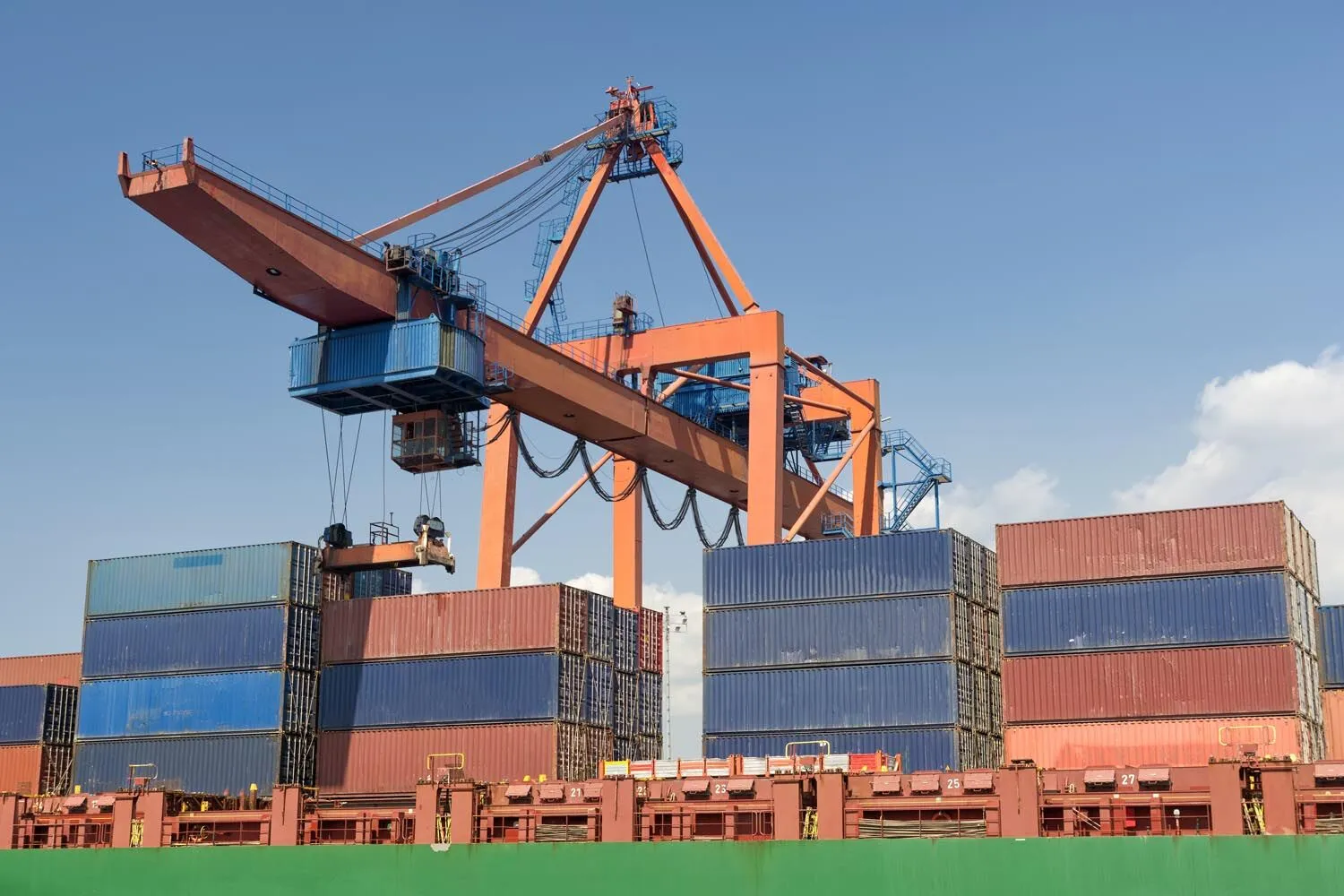
International freight expenses are influenced by shipment volume, weight, transportation mode, cargo dimensions, routing, and handling requirements. Warehousing can help businesses control these expenses by allowing goods from different production locations to be assembled into commercially efficient shipments. Instead of exporting several small consignments independently, companies may use export storage solutions to accumulate inventory until sufficient cargo is available for a larger dispatch. The potential savings depend on shipment characteristics and must be compared against warehouse and consolidation costs.
Consider a wholesale importer purchasing home accessories from four Turkish manufacturers. Each supplier produces several pallets, but arranging separate international collections could involve repeated freight bookings, documentation, and destination handling charges. A consolidation strategy allows the products to be received at one warehouse and prepared for a coordinated shipment. When appropriate, combining compatible cargo into a full-container load or efficiently planned groupage movement may reduce the overall landed cost per unit. However, consolidation is not always cheaper, especially when additional domestic transportation or extended storage is required.
The most reliable way to evaluate Turkish logistics and warehousing expenses is through a complete landed-cost calculation. This should include supplier-to-warehouse transportation, receiving charges, storage duration, handling fees, packaging, export documentation, freight, insurance, customs-related expenses, and destination delivery. In practice, businesses sometimes focus exclusively on warehouse rental rates while overlooking handling charges and inventory holding costs. A slightly more expensive facility with better transport access and efficient cargo processing may deliver a lower total supply chain cost.
Inventory Management Strategies for Cross-Border Wholesale Operations
International wholesalers require accurate inventory records to maintain product availability and prevent unnecessary purchasing. Effective global inventory management involves monitoring stock quantities, identifying product locations, forecasting replenishment requirements, and coordinating dispatches with customer orders. Businesses managing inventory across borders should also account for supplier production times, international transit variability, customs processing, and demand fluctuations in destination markets. These factors determine how much inventory should remain available at each stage of the supply chain.
Different inventory strategies serve different commercial requirements. Fast-moving consumer products may require minimum stock thresholds and frequent replenishment, while specialized industrial components may be ordered against confirmed customer demand. FIFO, or first-in-first-out, is useful for many general inventory categories, whereas FEFO, or first-expired-first-out, is more appropriate for products with expiration dates. Seasonal merchandise requires additional planning because excessive inventory can lose commercial value after a campaign or selling period ends. The appropriate method should reflect product characteristics rather than a universal warehouse policy.
One of the most frequent operational mistakes is treating supplier production completion as equivalent to available warehouse inventory. Products may still require transportation, receiving verification, quantity reconciliation, and quality checks before becoming available for dispatch. Professional cross-border supply chain management should distinguish between ordered stock, goods in production, goods in transit, received inventory, and dispatch-ready stock. This separation helps purchasing teams avoid accepting customer orders against inventory that has not yet been physically verified.
Warehouse Consolidation Services for Products from Multiple Turkish Suppliers
International buyers frequently work with several manufacturers to obtain competitive pricing, specialized production capabilities, and broader product selections. However, coordinating independent supplier deliveries can create unnecessary transportation movements and administrative complexity. Professional warehouse consolidation services allow products from multiple Turkish factories to be received at a designated location, organized according to purchase orders, and prepared for combined international transportation. This model is particularly valuable for distributors assembling mixed-product consignments.
Successful international cargo consolidation requires precise coordination before products arrive. Each supplier should receive delivery instructions specifying warehouse addresses, receiving schedules, packaging requirements, pallet identification, and documentation standards. Warehouse personnel must then reconcile received quantities against supplier packing lists and record discrepancies. When products require inspection, consolidation should not proceed until relevant checks have been completed. Combining goods without verifying quantities or packaging conditions can make subsequent disputes considerably more difficult to resolve.
For example, an international hospitality supplier may purchase towels, furniture accessories, promotional products, and decorative items from different Turkish manufacturers for a hotel development project. Consolidating these purchases can simplify export coordination and reduce the number of separate international deliveries. Nevertheless, products with incompatible handling requirements should not automatically share the same transport unit. Heavy industrial goods, fragile decorative products, and sensitive merchandise may require separate loading zones or additional protection. Effective consolidation prioritizes cargo compatibility and delivery reliability alongside freight efficiency.
How to Improve Supply Chain Efficiency with Strategic Warehousing in Turkey?
Strategic warehousing should be designed around the complete movement of goods from manufacturers to international customers. Rather than functioning as an isolated storage activity, warehousing becomes a coordination point between production schedules, procurement decisions, freight availability, and customer delivery requirements. Businesses using third-party warehousing services can avoid some of the capital investment and operational responsibilities associated with establishing their own facilities, while retaining control through agreed procedures, inventory reporting, and performance expectations.
The most effective warehouse arrangements are supported by measurable operational indicators. Inventory accuracy, receiving turnaround time, order preparation accuracy, damage rates, storage utilization, and dispatch punctuality provide useful evidence of service performance. For example, a distributor receiving weekly shipments from Turkish suppliers should monitor how quickly products become available after physical arrival. Persistent delays may indicate inadequate staffing, inconsistent supplier labeling, or ineffective warehouse processes. Identifying these problems early prevents warehouse inefficiencies from affecting international customer commitments.
Businesses should also evaluate the risks associated with excessive centralization. Storing all inventory in one facility may simplify administration but can create exposure to regional transportation disruptions, warehouse incidents, or capacity limitations. For high-volume operations, alternative storage arrangements or contingency transportation routes may be appropriate. Global Warehousing Solutions should therefore be evaluated according to operational resilience, not simply cost reduction. Companies with stable procurement volumes and multiple international destinations can benefit substantially from strategic storage, provided their warehouse arrangements remain flexible enough to accommodate changing market conditions.
Export Preparation, Packaging and Dispatch for International Shipments
Products leaving a warehouse must be prepared according to transportation conditions, destination requirements, and customer specifications. Professional export order preparation includes verifying shipment quantities, identifying individual products, preparing packing lists, applying appropriate labels, and selecting packaging materials suitable for the cargo. Depending on the goods and destination, additional requirements may include product identification, handling symbols, pallet treatment documentation, or specialized transport protection. Export preparation should begin before the scheduled collection date to avoid last-minute operational problems.
Packaging requirements differ significantly between transportation methods. Sea freight may expose cargo to extended transit periods, vibration, and moisture-related risks, while air freight requires particular attention to dimensional weight, packaging efficiency, and airline restrictions. Road transportation introduces repeated handling and loading considerations, especially for groupage shipments. Wooden packaging used in international trade may need to comply with ISPM 15 requirements where applicable. Companies should confirm destination-specific regulations rather than assuming that domestic packaging is suitable for international distribution.
A frequent mistake is preparing commercial documentation without reconciling it against the physical shipment. Differences between invoices, packing lists, product descriptions, and actual cargo quantities can cause customs delays and customer disputes. Before dispatch, exporters should verify the relevant Incoterms responsibilities, shipping instructions, documentation requirements, and collection arrangements. Depending on the transaction, documents may include commercial invoices, packing lists, transport documents, origin documentation, and product-specific certificates. Clear responsibility assignments between the seller, buyer, warehouse, and freight provider are essential for predictable international shipments.
Comparing Warehousing in Turkey with Other International Distribution Hubs
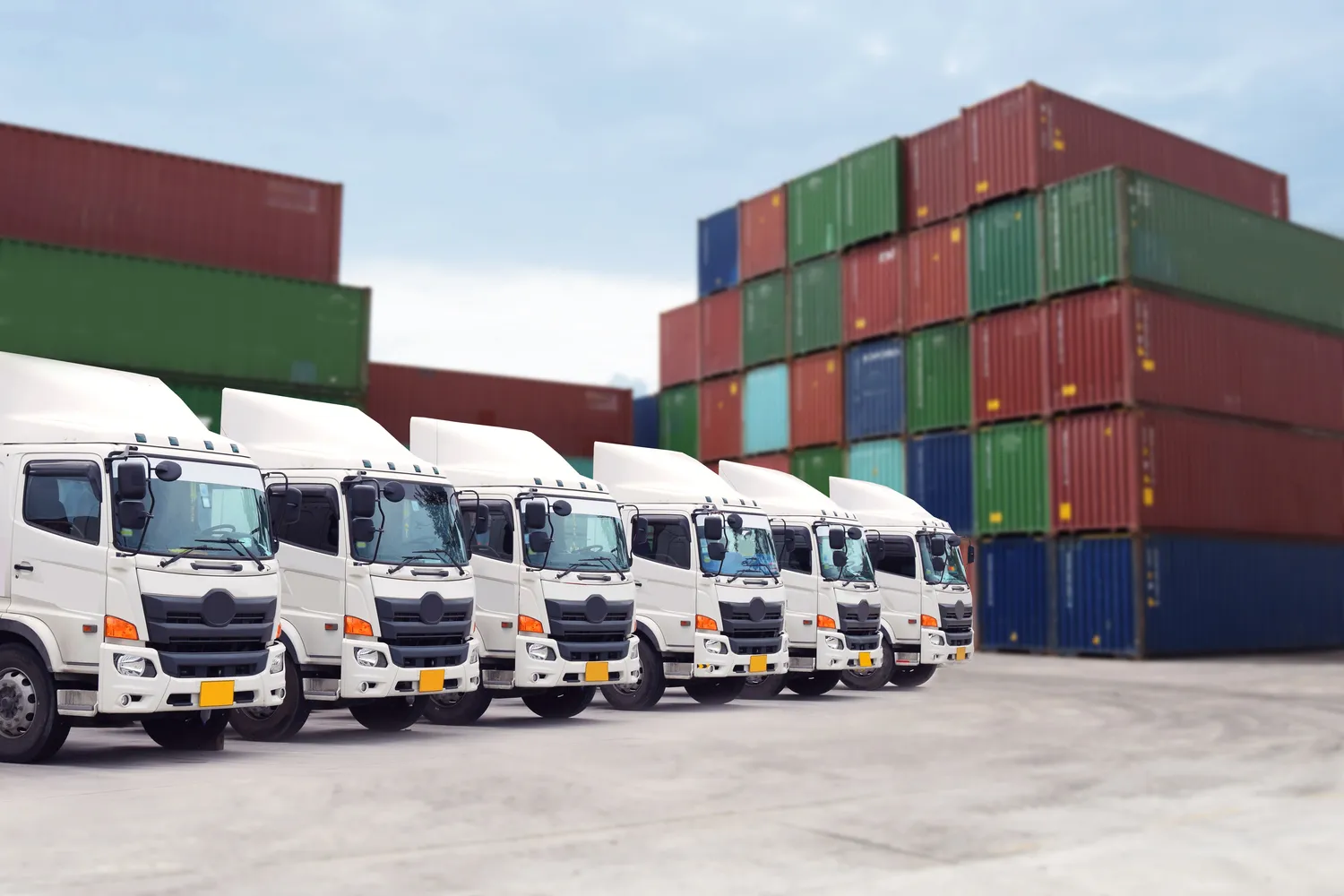
Choosing an international warehousing location requires comparing manufacturing proximity, transportation connectivity, customs procedures, operating costs, and customer delivery expectations. Turkey offers particular advantages for businesses purchasing directly from Turkish manufacturers because inventory can be consolidated near its production origin. By contrast, European distribution hubs such as the Netherlands or Germany may offer advantages for businesses prioritizing rapid delivery to customers already located within the European Union. The appropriate location depends on where products originate and where they will ultimately be sold.
Turkey-based storage can be commercially attractive when businesses need to collect goods from multiple Turkish suppliers before export. A European warehouse may be more suitable when imported products must support frequent domestic deliveries, rapid returns processing, or short replenishment cycles across EU markets. Companies distributing products throughout the Middle East may instead compare Turkish facilities with regional logistics centers closer to their primary customers. These comparisons should include customs treatment, transit times, handling expenses, warehouse capabilities, and the total cost of inventory ownership.
Importantly, Turkey’s customs union arrangements with the EU do not mean every product can move freely without additional requirements. Applicable treatment depends on the product category, customs status, documentation, and relevant trade rules. An A.TR movement certificate, where applicable, addresses customs status under the relevant arrangements rather than automatically establishing Turkish origin. Businesses evaluating international distribution centers should obtain transaction-specific customs guidance and compare realistic shipment scenarios. The best warehouse is not necessarily the cheapest or most geographically central facility; it is the location that supports the required service level at a sustainable total cost.
Cross-Border Warehousing Services for International B2B Trade
How Turkey Sourcing Agency Coordinates Warehousing, Product Sourcing and International Logistics?
Turkey Sourcing Agency supports international businesses seeking coordinated procurement and logistics operations in Turkey. Its services include Product Sourcing, Logistics, Warehousing, Order Fulfillment, Quality Inspection, and Buying Services. Through its Turkish manufacturer network, the company helps overseas buyers identify suppliers, organize purchasing activities, and coordinate the movement of products through storage and international transportation processes. This integrated approach is especially relevant for companies managing multiple manufacturers, recurring wholesale purchases, or complex export requirements.
An effective sourcing and warehousing arrangement begins with understanding the buyer’s products, purchasing volumes, delivery destinations, and commercial priorities. Turkey Sourcing Agency can coordinate supplier-related activities, warehousing and packaging requirements, quality inspection procedures, and international freight planning according to the needs of each project. Its logistics capabilities cover air, sea, and road transportation, including integrated and multimodal solutions. Through an international network spanning 400 offices across 84 countries, the company supports transportation coordination across diverse markets. For quality verification, its processes include product inspections, detailed reporting, and coordination with recognized inspection organizations such as SGS and Bureau Veritas.
For international importers, wholesalers, distributors, and procurement teams, Turkey Sourcing Agency provides a coordinated approach to cross-border warehousing services and international trade operations. Whether your business needs to consolidate products from multiple Turkish suppliers, arrange storage before export, prepare bulk shipments, or manage recurring international deliveries, the company can help develop a solution aligned with your operational requirements. Contact Turkey Sourcing Agency to discuss your procurement plans and explore how its Product Sourcing, Logistics, Warehousing, Order Fulfillment, Quality Inspection, and Buying Services can support a more organized, reliable, and cost-effective supply chain from Turkey to international markets.