Customized Promotional Items Manufactured in Turkey for Global Brands
For international businesses, customized promotional items are more than marketing giveaways. They are physical representations of brand identity, designed to remain useful long after an advertising campaign, corporate event, or product launch has ended. From embroidered caps and printed T-shirts to premium notebooks, reusable bags, stainless steel drinkware, and electronic accessories, companies increasingly seek promotional merchandise that combines practical value, consistent branding, reliable manufacturing, and competitive procurement costs. Turkey offers an attractive manufacturing base for these requirements, particularly for American and European businesses sourcing branded products in commercial quantities.
In addition to matching you with the right Turkey Manufacturers, we provide complete end-to-end support services. Our offerings include Product Sourcing, Logistics, Warehousing, Order Fulfilment, Quality Inspection, and Buying Services. These integrated solutions ensure that your apparel production is efficient, transparent, and tailored to meet the demands of global markets. You can learn more about each service on the relevant pages linked throughout our site.
Successful promotional merchandise programs depend on selecting the right product, understanding manufacturing limitations, controlling production quality, and coordinating delivery around fixed marketing deadlines. A corporate buyer ordering 10,000 branded tote bags for a nationwide campaign faces different production considerations from a technology company sourcing 500 premium power banks for executive clients. Product specifications, printing techniques, minimum order quantities, packaging requirements, and shipping arrangements must reflect the intended application. Working with a dependable custom promotional product manufacturer or sourcing partner helps businesses address these requirements before committing to production.
Turkey Sourcing Agency connects international B2B buyers with manufacturing opportunities in Turkey, supporting businesses seeking custom branded promotional products for corporate gifting, retail promotions, exhibitions, employee programs, and large-scale marketing campaigns. By coordinating supplier selection, procurement, manufacturing requirements, and international trade arrangements, we help companies develop promotional merchandise that meets their commercial objectives. Our approach focuses on practical sourcing decisions, transparent communication, quality expectations, and efficient delivery planning rather than simply identifying the lowest-priced supplier.

Customized Promotional Items Manufactured in Turkey for Global Brands
How Custom Promotional Products Help Global Brands Build Lasting Brand Recognition?
The effectiveness of promotional merchandise depends primarily on whether recipients continue using the product after receiving it. A branded notebook used during weekly meetings, an insulated travel mug carried to work, or a durable canvas bag used for shopping can generate repeated brand exposure without requiring additional advertising expenditure for every impression. However, visibility alone does not guarantee marketing effectiveness. The product must suit the recipient’s lifestyle, provide genuine utility, and communicate the brand’s identity without compromising functionality. For this reason, Company Promotional Items should be selected according to audience behavior rather than popularity alone.
In practice, one of the most common mistakes is choosing promotional merchandise based exclusively on unit price. An inexpensive pen that stops working after several uses may create a negative impression, while a slightly more expensive writing instrument with reliable ink performance can remain useful for months. The same principle applies to apparel, bags, and drinkware. Fabric quality, stitching durability, color consistency, and printing resistance all influence how customers perceive the brand. A promotional product should meet the quality expectations associated with the company distributing it.
Businesses should also distinguish between mass-distribution merchandise and relationship-building gifts. Low-cost pens, lanyards, stickers, and keychains are appropriate for high-volume awareness campaigns, whereas premium backpacks, wireless chargers, executive stationery sets, and insulated bottles are better suited to selected customers or business partners. The most effective bespoke promotional products align product value with recipient importance, distribution context, and campaign objectives. This approach supports stronger brand recognition while preventing unnecessary spending on merchandise that does not serve a defined marketing purpose.
Personalized Promotional Merchandise for Corporate Events, Product Launches and Brand Activations
Corporate events require promotional merchandise that supports the event experience rather than simply filling a gift bag. At an employee conference, branded notebooks, reusable bottles, name badge holders, and comfortable T-shirts can serve immediate practical purposes. For an outdoor brand activation, customized caps, sunglasses, drawstring bags, and lightweight rain ponchos may be more relevant. Companies organizing executive networking events often prefer premium pens, leather-look organizers, insulated tumblers, or carefully assembled welcome packages. Selecting personalized promotional merchandise according to the environment improves both usability and perceived value.
For example, an American technology company launching a new software platform could prepare welcome kits containing a printed notebook, metal pen, branded USB-C accessory, and custom presentation box. A beverage brand organizing a summer festival might prioritize cotton caps, reusable cups, promotional coolers, and staff uniforms. In both cases, custom merchandise for corporate events should be designed around expected attendance, distribution methods, storage conditions, and transportation requirements. Products distributed outdoors may need moisture-resistant printing, while merchandise for executive events may require individual packaging and higher-quality surface finishes.
A frequent purchasing mistake is approving merchandise designs without considering the actual event schedule. Artwork preparation, physical sampling, manufacturing, printing, packaging, inspection, export documentation, and transportation all require time. A product that is economical to manufacture may become expensive if the buyer later needs emergency air freight. Companies should therefore establish a firm delivery deadline, confirm realistic production milestones, and reserve time for sample approval before placing bulk orders. For time-sensitive campaigns, choosing an established product with straightforward customization is often safer than developing a completely new design.
Custom Logo Merchandise Manufactured in Turkey for International Marketing Campaigns
International marketing campaigns demand consistent brand presentation across different product categories and distribution markets. A company’s logo should retain recognizable proportions, approved colors, and appropriate placement whether printed on a ceramic mug, embroidered onto a cap, or applied to a metal bottle. Professional logo customized merchandise production begins with usable artwork files, defined branding guidelines, and product-specific decoration instructions. Vector formats such as AI, EPS, or print-ready PDF files are generally preferable because they allow artwork to be resized without losing definition.
Different merchandise categories require different production methods. Screen printing can be economical for large quantities of T-shirts or tote bags using limited colors, while digital transfer methods can accommodate more complex graphics. Embroidery creates a textured, durable finish on caps, polo shirts, and jackets but may not reproduce extremely small lettering accurately. Laser engraving is frequently selected for metal pens, drinkware, and selected electronic accessories because it provides a permanent marking without conventional ink. The correct method depends on substrate, artwork complexity, order quantity, and expected product usage.
For multinational brands, a critical detail is maintaining visual consistency between samples and final production. Color references should be defined using appropriate Pantone standards where possible, while acknowledging that printed fabric, coated metal, and glazed ceramics can display colors differently. Buyers should approve physical samples or representative production proofs before manufacturing begins. When sourcing promotional items made in Turkey, American companies should also confirm country-of-origin marking, product labeling, packaging information, and applicable import requirements. These details should be resolved during product development rather than immediately before shipment.
OEM and Private Label Promotional Products for Businesses Expanding Their Brand Portfolio
OEM manufacturing and private label production offer different levels of product customization. OEM projects generally involve manufacturing according to buyer-defined specifications, which may include dimensions, materials, construction, components, and functional requirements. Private label programs commonly involve placing a company’s branding on an existing or modified product design. For businesses seeking private label promotional items, the distinction affects development costs, tooling requirements, minimum order quantities, intellectual property considerations, and production timelines.
An established promotional merchandise distributor might source standard stainless steel bottles with customized logos and packaging, while a global fitness brand may require bottles with a unique lid mechanism, proprietary shape, and specially developed colors. The first project may be achievable through existing manufacturing capabilities and standard tooling. The second could require engineering drawings, prototype development, dedicated molds, performance testing, and additional manufacturing approvals. Businesses planning made to order promotional products should determine whether exclusive design features create enough commercial value to justify these additional investments.
Based on the practical requirements of international procurement, one of the most important decisions is whether to customize an existing product or develop a new one. Standard products with custom decoration generally offer greater flexibility for smaller orders and urgent campaigns. Fully customized designs are more suitable for brands planning repeat orders, differentiated merchandise collections, or long-term distribution programs. A qualified supplier should clearly explain tooling ownership, sample charges, production tolerances, packaging specifications, and reorder conditions before the buyer commits to an OEM project.

Customized Promotional Items Manufactured in Turkey for Global Brands
From Concept to Production: How to Develop Promotional Items Around Your Brand Identity
Effective product development begins with a clear commercial brief. Buyers should identify the target audience, intended distribution channel, required quantity, budget range, delivery location, and deadline before approaching manufacturers. The brief should also describe the brand’s visual identity and any mandatory functional characteristics. For instance, a premium hospitality company may require heavyweight cotton tote bags with reinforced handles, discreet embroidery, and recyclable retail-style packaging. A construction company may instead prioritize practical branded workwear, reflective safety vests, measuring tapes, and durable water bottles.
The next stage involves translating the concept into measurable manufacturing specifications. For textile products, buyers should define fabric composition, weight, dimensions, color references, stitching requirements, and decoration placement. For drinkware, specifications may include material grade, capacity, lid construction, coating, and applicable food-contact requirements. For electronic merchandise, battery capacity, charging interfaces, electrical performance, safety documentation, and transport restrictions require additional attention. Thorough promotional product customization reduces ambiguity between the buyer’s expectations and the manufacturer’s production process.
In real production, many disagreements originate from specifications that appear clear in a design mockup but are not technically complete. A digital rendering cannot demonstrate fabric thickness, zipper durability, handle strength, or the tactile quality of a surface coating. Physical samples help buyers evaluate these characteristics before approving volume manufacturing. The recommended development sequence is concept definition, technical specification, supplier quotation, prototype or pre-production sample, written approval, bulk manufacturing, inspection, and shipment. This structured process is particularly valuable for companies ordering merchandise across multiple product categories.
Custom Promotional Products for Trade Shows, Conferences, Exhibitions and Business Events
Trade shows and exhibitions create specific challenges because companies must attract visitors, communicate their identity, and manage merchandise distribution within a limited event period. Wholesale Promotional Items such as pens, notebooks, lanyards, tote bags, badge holders, and reusable bottles are suitable for general booth visitors, while higher-value gifts can be reserved for qualified prospects. For example, a machinery manufacturer exhibiting at an industrial trade fair might distribute branded measuring tapes and work gloves rather than generic novelty products. Relevant merchandise reinforces the company’s industry positioning and gives recipients a practical reason to retain the item.
Event organizers should calculate quantities based on expected booth traffic, distribution strategy, and visitor categories rather than total exhibition attendance. A company expecting 2,000 meaningful interactions may need 1,500 general giveaways, 300 qualified-lead gifts, and 100 premium client packages, with a contingency allowance determined by its campaign plan. Bulk custom promotional items should be packed in clearly labeled cartons, ideally separated by product category, destination, or distribution day. This reduces handling time during booth installation and prevents staff from opening multiple cartons to locate specific merchandise.
One frequently overlooked issue is delivery coordination with exhibition venues and appointed freight handlers. Goods may need to arrive at a designated warehouse before a specific receiving deadline, and organizers may impose labeling, handling, and delivery appointment requirements. Companies ordering wholesale personalized promotional gifts should confirm whether products will be delivered directly to the venue, a local fulfillment provider, or the exhibitor’s own office. Merchandise for last-minute conferences may be better sourced from available stock with logo decoration, while fully customized products are more appropriate when event dates allow sufficient production time.
Choosing Materials, Colors and Printing Techniques for Branded Promotional Merchandise
Material selection determines product durability, decoration compatibility, user experience, and manufacturing cost. Cotton T-shirts are widely used for employee uniforms and marketing campaigns, but fabric weight, shrinkage, softness, and construction vary considerably. Canvas tote bags offer different carrying characteristics from lightweight nonwoven polypropylene bags, while stainless steel drinkware provides a different perceived value from basic plastic bottles. For branded merchandise manufacturing, buyers should compare materials according to the product’s intended lifespan, operating environment, decoration requirements, and available budget.
Decoration methods also influence minimum order quantities and appearance. Screen printing is generally economical for larger runs featuring simple graphics, whereas digital printing may be preferable for multicolor artwork and smaller quantities. Embroidery works well for caps, aprons, polo shirts, and work jackets but requires careful assessment of stitch density and fabric stability. Sublimation can provide detailed graphics on compatible polyester fabrics and specially coated surfaces. Pad printing is useful for selected curved or irregular objects, including pens and compact accessories. For customized promotional items, the decoration method should be selected only after reviewing the actual product material and approved artwork.
In practical use, buyers should pay particular attention to colorfastness, print adhesion, wash resistance, and mechanical durability. An embroidered cap may appear excellent when new but perform poorly if the underlying fabric loses shape. A printed ceramic mug may require dishwasher-resistance testing, depending on its intended use and decoration process. Products marketed with environmental attributes should also have supporting documentation rather than relying on vague claims. A reliable corporate promotional product supplier should be able to explain material specifications, appropriate testing methods, and the limitations of different customization techniques before production approval.
Why Global Companies Source Customized Promotional Items from Turkish Manufacturers?
Turkey’s manufacturing appeal comes from its established industrial base, experienced textile and apparel sector, export-oriented production capabilities, and geographic position between European and Asian markets. Its strengths are particularly relevant to promotional T-shirts, polo shirts, caps, sweatshirts, bags, aprons, uniforms, and other textile-based merchandise. Turkish industry has developed extensive expertise in fabric processing, garment production, finishing, and international supply relationships. The Turkish Ministry of Trade has documented the importance of textiles and clothing to the country’s manufacturing and export economy, providing an established industrial foundation for companies seeking customized merchandise.
For American businesses, Turkey can be a compelling alternative to domestic production or established Asian sourcing markets, particularly when design flexibility, material quality, and supplier communication matter alongside pricing. However, Turkey should not automatically be considered the cheapest manufacturing origin for every product. Standardized electronic accessories or extremely high-volume commodity merchandise may be more economical elsewhere, depending on manufacturing specialization and freight costs. The commercial advantage of international promotional product sourcing from Turkey is often found in balancing manufacturing quality, customization options, production responsiveness, and total landed cost rather than comparing factory prices alone.
Companies seeking promotional items made in Turkey should also distinguish genuine Turkish manufacturing from products imported into Turkey solely for branding or distribution. This is especially important for power banks, USB drives, electronic accessories, and certain specialized promotional products. Buyers should request clear information about the manufacturing origin, customization location, and component sourcing arrangements. For American importers, origin declarations, textile labeling, customs classification, and applicable duties must be evaluated before shipment. U.S. Customs and Border Protection and the Federal Trade Commission provide specific guidance on origin and textile labeling requirements.
Fast Production, Quality Control and International Shipping for Bulk Promotional Orders
Speed in promotional merchandise procurement begins with product availability and manufacturing readiness. An existing tote bag design requiring a one-color logo may be completed more quickly than a newly developed backpack with custom fabrics, specialized hardware, and individual packaging. Likewise, standard notebooks with branded covers generally involve fewer development stages than fully customized stationery sets. Buyers should communicate the required delivery date immediately and ask suppliers to separate sampling time, material procurement, manufacturing, decoration, inspection, and freight transit in their quotations. A realistic production schedule is more valuable than an aggressive delivery promise that cannot be supported.
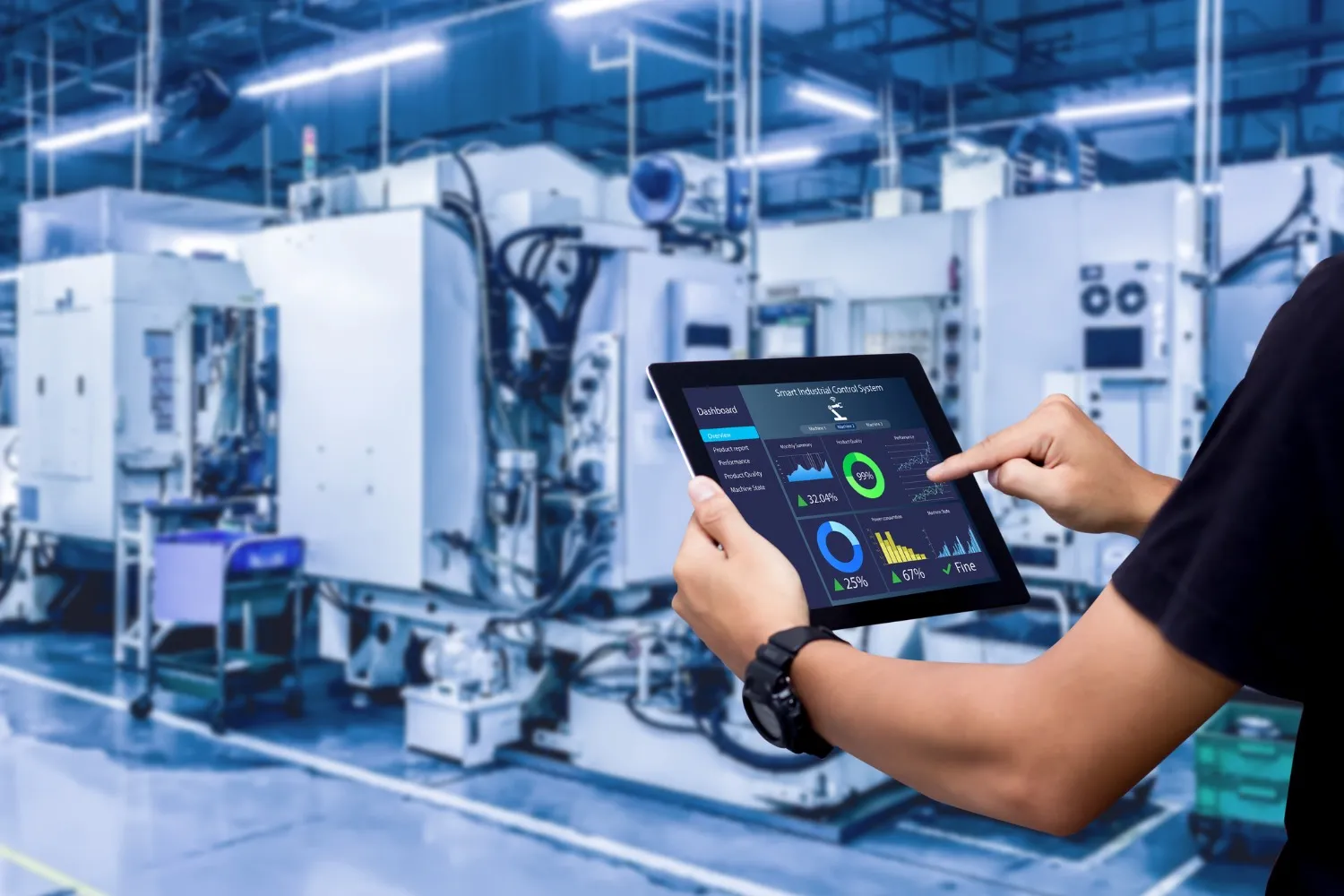
Quality control should be proportional to the risks associated with each product. Apparel orders may require checks for measurements, stitching, fabric defects, logo alignment, and size distribution. Bags should be examined for handle attachment, zipper operation, print quality, and load-bearing performance where relevant. Electronic promotional products may require additional electrical safety documentation, functional testing, battery-related compliance checks, and transport documentation. For bulk custom promotional items, representative pre-shipment inspections and documented acceptance criteria help identify defects before goods leave the manufacturing facility. Buyers should agree in advance on acceptable tolerances and how nonconforming products will be handled.
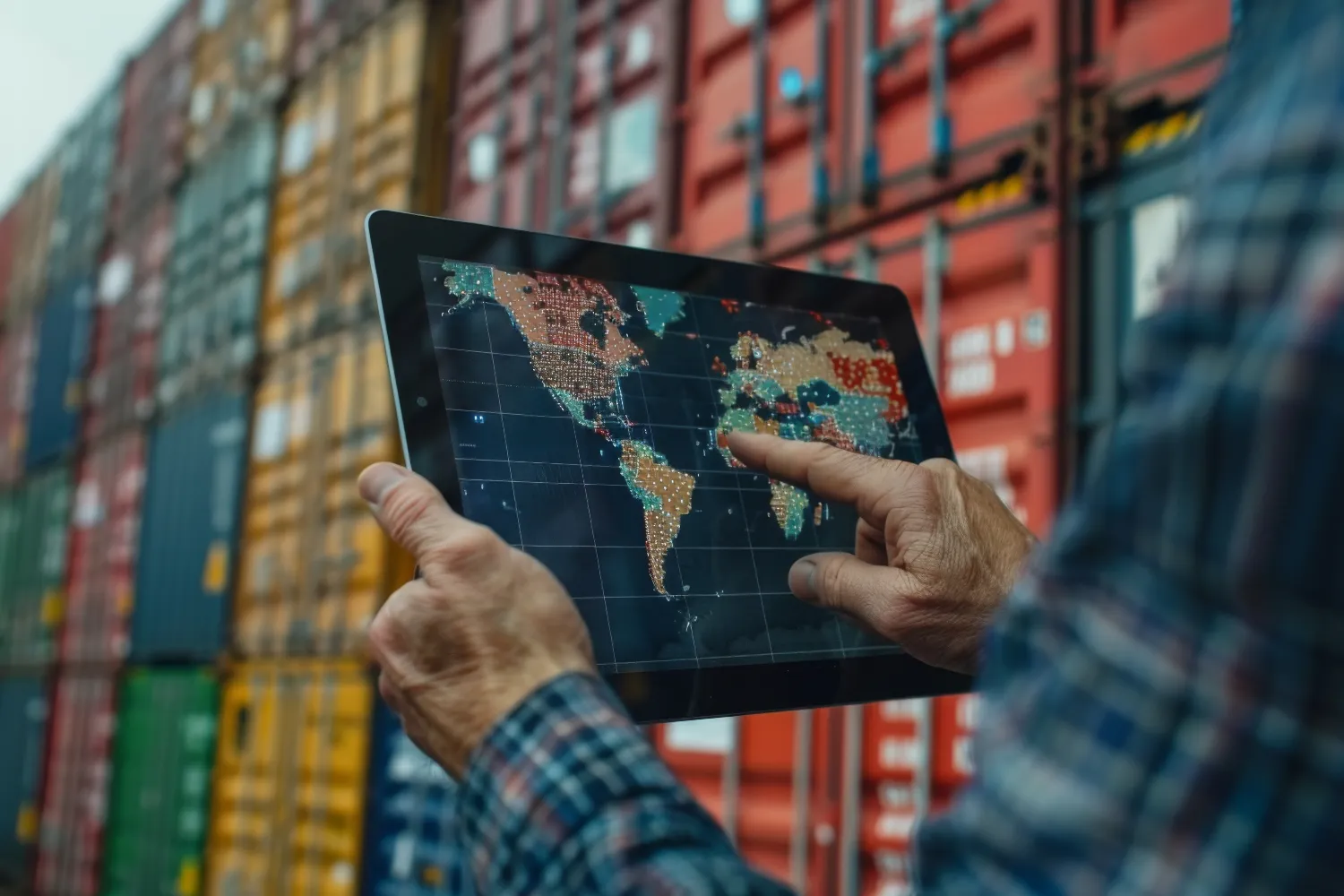
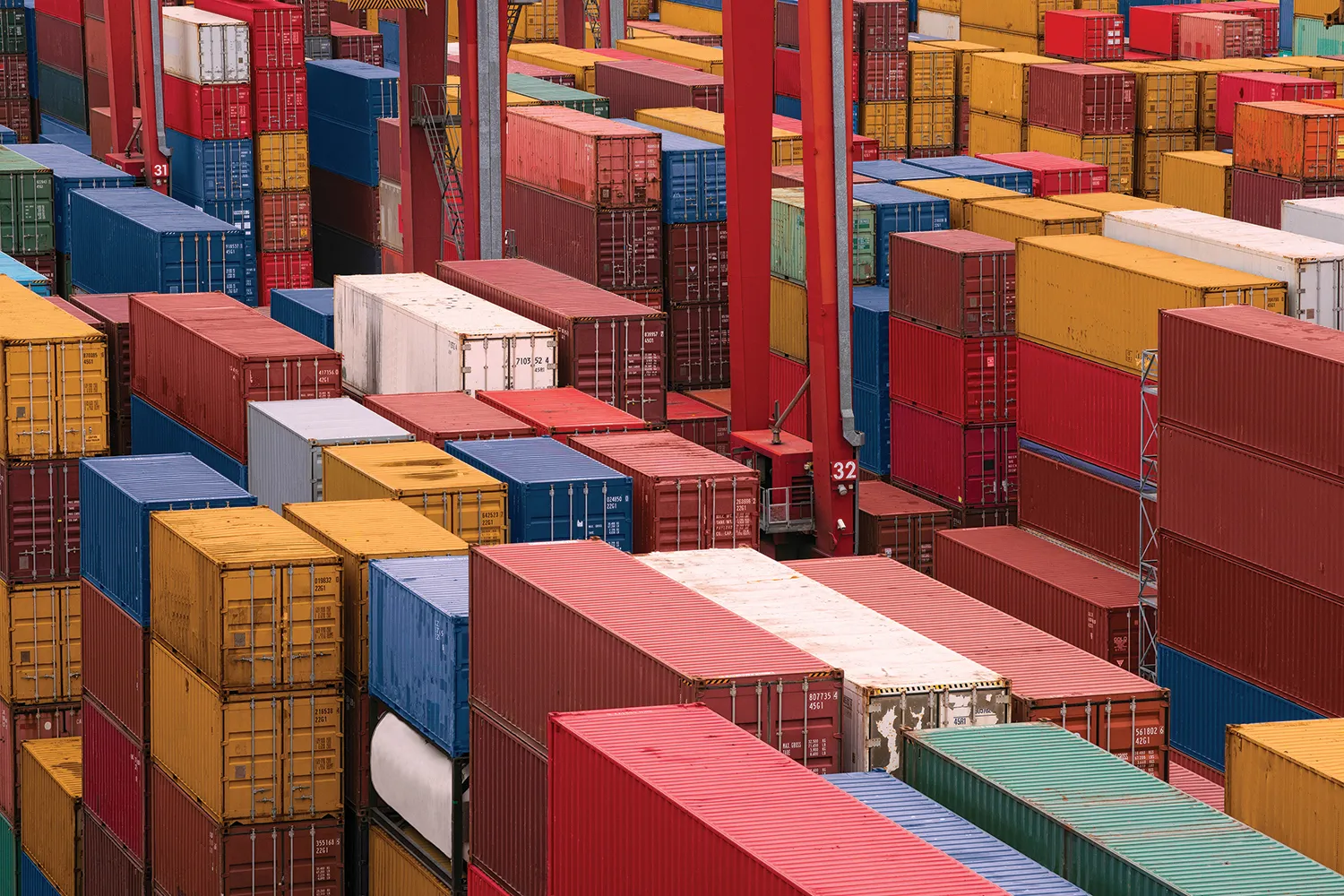
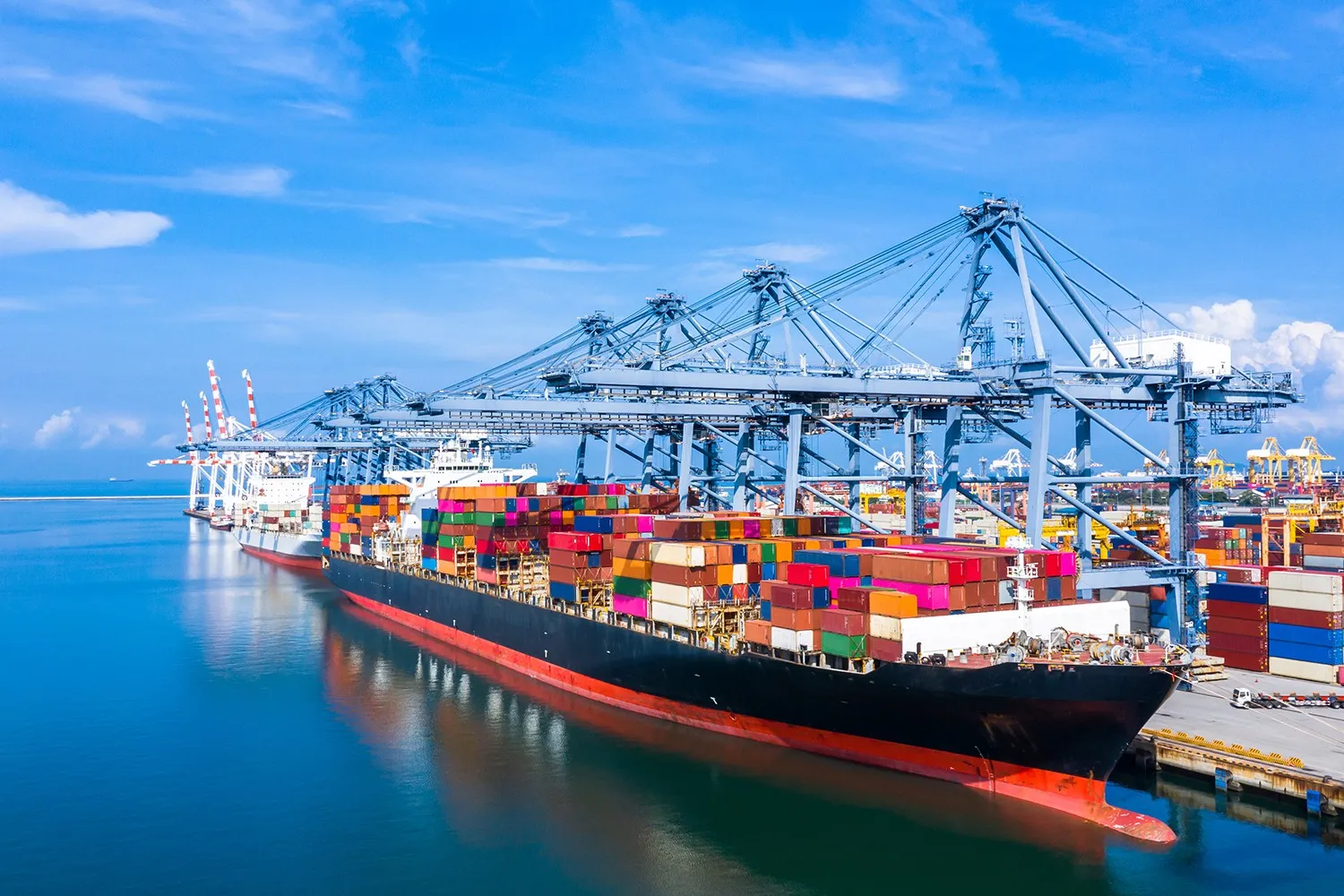
International shipping decisions should consider urgency, volume, weight, customs procedures, and total delivered cost. Air freight is generally appropriate for smaller, urgent promotional orders, while ocean freight can be more economical for large shipments with flexible delivery schedules. Consolidation may improve shipping efficiency when merchandise is sourced from several manufacturers. Turkey Sourcing Agency supports international buyers through coordinated Product Sourcing, Quality Inspection, Logistics, and Warehousing arrangements, helping align production and shipping activities with campaign deadlines. For U.S. customers, we recommend evaluating customs duties, applicable import requirements, freight quotations, and delivery responsibilities before confirming the final purchasing budget.
Customized Promotional Items Manufactured in Turkey for Global Brands
How Turkey Sourcing Agency Supports Custom Promotional Product Manufacturing in Turkey?
Turkey Sourcing Agency helps international businesses source promotional merchandise from Turkey through a coordinated procurement approach tailored to their branding, manufacturing, and delivery requirements. Whether a company needs 1,000 embroidered caps for a corporate conference, 5,000 printed cotton bags for a retail campaign, or a diversified merchandise collection for an international brand launch, our role is to connect the commercial brief with suitable manufacturing and sourcing options. We support businesses looking for custom branded promotional products, Company Promotional Items, and Wholesale Promotional Items without requiring them to manage every stage of Turkish supplier communication independently.
Our services extend beyond identifying potential suppliers. Through Product Sourcing, Buying Services, Quality Inspection, Warehousing, Order Fulfillment, and international Logistics, Turkey Sourcing Agency can support different stages of a promotional merchandise program according to the buyer’s requirements. We assist with procurement coordination, supplier communication, product specifications, inspection arrangements, packaging, and international shipping. Our established logistics network spans 400 offices across 84 countries, supporting a broad range of international cargo requirements. For American and other overseas buyers, this integrated approach can simplify sourcing multiple merchandise categories while keeping product quality, delivery schedules, and commercial expectations central to the project.
If your company is planning a promotional campaign, trade show, corporate event, employee gifting program, retail activation, or private label merchandise collection, Turkey Sourcing Agency is ready to help you explore manufacturing opportunities in Turkey. Share your product list, logo files, estimated quantities, preferred materials, target budget, destination country, and required delivery date. We can help evaluate suitable custom promotional product manufacturer options, compare sourcing possibilities, and coordinate a practical procurement strategy. From affordable branded pens and T-shirts to premium gift sets, workwear, bags, and customized accessories, our objective is to help your business secure the right products at competitive commercial terms, with dependable quality expectations and efficient international delivery. Contact Turkey Sourcing Agency today to request a customized quotation for your next promotional merchandise project.